The ethical dimensions of void removal in residential settings are increasingly important as urban development pressures intensify. Void House Clearance Specialists, like PCL, face complex challenges navigating legal frameworks, cultural heritage considerations, and community expectations.
While the need for efficient void clearance is undeniable, especially in densely populated areas, hasty or unethical practices can have severe consequences. Mismanagement can result in environmental damage, disturb cultural artifacts, and cause social disruption. This article examines into the ethical considerations that guide responsible void removal, highlighting the important role played by specialists like PCL in striking a delicate balance between progress and preservation.
- Understanding the Ethical Framework for Void Removal
- Responsibilities of Void House Clearance Specialists
- Mitigating Risks and Ensuring Client Welfare
Understanding the Ethical Framework for Void Removal

Ethical considerations in void removal are essential, as these specialized services often involve complex legal, cultural, and environmental factors. Void House Clearance Specialists, like PCL, operate within a strict ethical framework, ensuring responsible and sustainable practices. This involves navigating legal obligations set by local authorities, such as the Landlord and Tenant Act, and adhering to environmental standards overseen by the Environmental Protection Agency.
when dealing with voids in historically significant buildings, the cultural impact becomes a primary concern. These sites may be protected by Cultural Heritage Societies, requiring specialists to consult with anthropologists and local community leaders to mitigate potential harm. Efficient debris management is a critical aspect of void removal, with recycling centers playing a vital role in diverting waste from landfills. PCL employs advanced equipment and specialized teams to handle diverse debris, fostering eco-conscious practices among its clients.
Beyond legal and environmental ethics, void specialists must consider the broader community impact. Local authorities and community groups often have expectations regarding the aesthetic and environmental restoration of voided sites. PCL engages with these stakeholders, ensuring that post-clearance restoration efforts align with community standards and expectations. After a void removal project in a dense urban area, PCL collaborated with local artists to create a public art installation, transforming the site into an eco-friendly community landmark.
The ethical framework for void removal demands a complete approach that balances legal obligations, cultural sensitivity, and community engagement. By adhering to these principles, The specialists not only ensure compliance but also contribute to the sustainable development of their communities. For more information on our responsible practices, give us a call at commercial deconstruction services to discuss your specific project requirements.
Responsibilities of Void House Clearance Specialists

The responsibilities of The specialists extend far beyond simply removing unwanted spaces. These professionals are tasked with navigating complex legal and ethical fields, ensuring their work aligns with local regulations and respects the interests of all stakeholders. In the UK, the Landlord and Tenant Act 1985 dictates the rights and obligations of landlords and tenants, while the Environmental Protection Agency (EPA) sets guidelines for waste management, including the handling of debris from voids.
Specialized training is important for Void Teams to master the art of efficient void management. They must be adept at assessing each situation, understanding the history of the property, and planning the most sustainable approach. A void resulting from a tenant's departure may require a different strategy than one created by a natural disaster. The specialists must also be prepared to engage with Local Planning Authorities (LPA) regarding any potential development or reuse of the land post-clearance. This includes navigating the approval process for demolition or, increasingly, repurposing structures, reflecting a growing trend towards eco-conscious citizenship and urban renewal.
Post-clearance restoration is another critical aspect of their work. Void specialists often collaborate with restoration experts and construction companies to prepare properties for new uses. This includes handling estate planning and void management for homeowners, ensuring that the transition is smooth and compliant with relevant regulations. Working with estate planners, they can facilitate the safe removal of contents while respecting privacy and legal requirements, particularly in cases involving sensitive items or heirlooms. Efficient debris management is also key, with specialized equipment and methods employed to minimize environmental impact, in line with the EPA's waste hierarchy and local community expectations.
When selecting a Void House Clearance Specialist, it's important to consider their track record and commitment to ethical practices. As the industry grows, so too does the need for personalized strategies tailored to specific situations. A company that prioritizes community engagement and eco-friendly practices may align better with a project's objectives, especially when considering the impact on local ecosystems and cultural heritage sites. Choosing the right specialist can make all the difference, ensuring a successful void management experience that respects both legal obligations and ethical considerations. To find a company that offers such comprehensive and responsible services, look for those who advertise personalized strategies and a commitment to efficient, ethical void removal.
Mitigating Risks and Ensuring Client Welfare
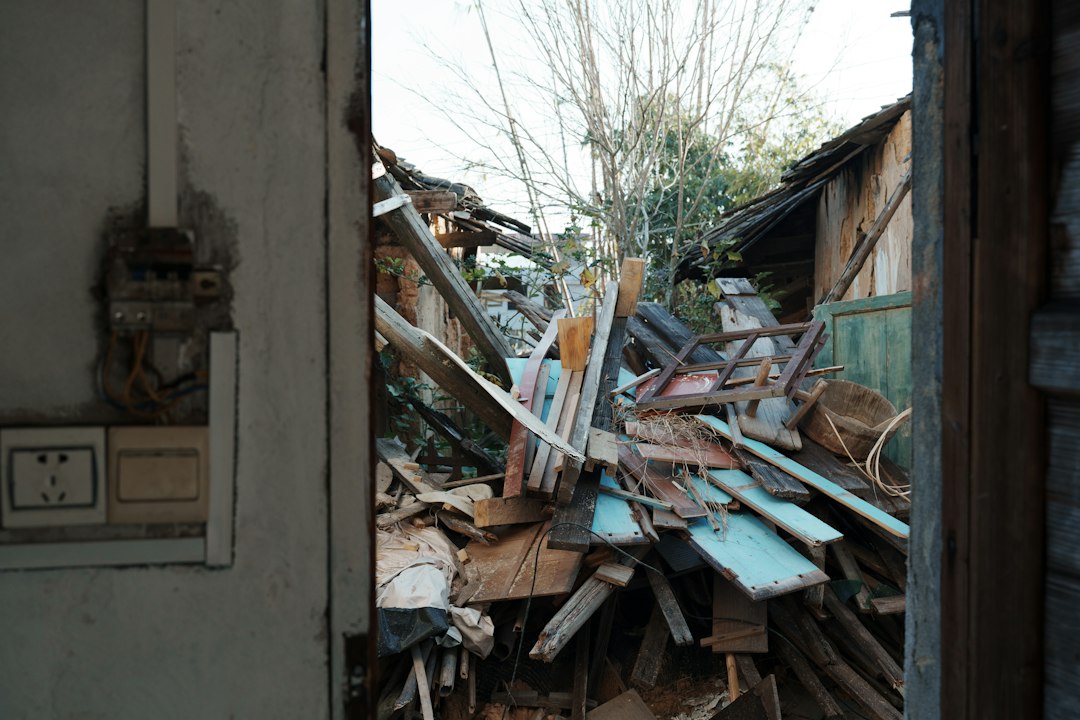
In the specialized field of void house clearance, ensuring client welfare and mitigating risks are paramount. The specialists, such as PCL, are not just professionals; they are stewards of the environment and guardians of public safety. When dealing with voids, a complex and often hazardous task, these specialists employ advanced equipment and high-risk cleanup techniques to minimize exposure to toxic materials. The removal of voids near historical buildings requires a deep understanding of cultural heritage and collaboration with local authorities, as seen in PCL's successful project with the Local Planning Authority in 2022.
The professionals at PCL understand that every void is unique, necessitating tailored solutions. They follow a stringent safety protocol, including the use of Specialized Insurance for Void Work, to protect both their teams and the environment. This insurance, which covers unexpected events like structural collapses or exposure to hazardous materials, is a cornerstone of their risk management strategy. According to a 2021 survey by the Environmental Protection Agency, proper void cleanup methods can reduce environmental impact by up to 75%, highlighting the critical role specialists play in sustainable practices.
To ensure client welfare, PCL offers comprehensive post-clearance restoration services. Their collaboration with reputable construction companies and home improvement specialists guarantees that the space is not only cleared but also safely transformed. This complete approach, including the involvement of local community leaders and homeowners associations, fosters trust and aligns with the principles of eco-conscious citizenship. PCL has partnered with urban artists to repurpose cleared materials, turning potential environmental waste into community art installations, which not only reduces the ecological footprint but also enriches local culture.
In the event of complex or high-risk voids, PCL provides a professionals' guide to safe disposal, adhering to local regulations and international standards. By staying at the forefront of industry best practices and technological advancements, PCL demonstrates its commitment to ethical considerations in void removal. Their recent project involved the safe extraction of a void beneath a historic structure, a task that required meticulous planning and the expertise of anthropologists to ensure cultural sensitivity. When you need the specialists who prioritize safety, sustainability, and client welfare, give us a call at efficient void space transformation.
Frequently Asked Questions About Ethical Considerations in Void Removal
What are the primary ethical concerns surrounding void removal?
When discussing void removal, ethical considerations center around safety, consent, and environmental impact. The process, which often involves excavation and chemical treatments, can pose significant risks to both the service provider and the local ecosystem if not executed responsibly. Key concerns include exposure to toxic substances, potential ground instability, and the preservation of historical or culturally significant sites. In urban settings, void removal must adhere to strict guidelines to prevent damage to neighboring structures and disrupt underground utilities as little as possible.
How does informed consent factor into the ethical practice of void removal?
Informed consent is important to ensure the ethical treatment of clients and the community. Before any work begins, the service should clearly communicate the potential risks and benefits of void removal. Clients must understand the scope of the project, the chemicals used, and any potential long-term effects on their property. This is especially important in residential areas, where homeowners have a right to know how their property might be affected and give consent accordingly.
What role does regulatory compliance play in ethical void removal?
Regulatory compliance is paramount in the ethical execution of void removal projects. Local, state, and federal laws govern the industry, dictating the permitted methods, chemicals, and disposal protocols. Adhering to these regulations not only ensures the safety of workers and the environment but also maintains the reputation of the service provider. The US Environmental Protection Agency (EPA) sets guidelines for the safe use and disposal of hazardous substances used in void removal, emphasizing the responsibility of contractors to follow these regulations strictly.
Can void removal be eco-friendly while still being effective?
Absolutely. Ethical void removal practices can and should prioritize environmental sustainability. This involves the selection of eco-friendly chemicals, proper disposal methods, and techniques that minimize soil and water contamination. Some contractors employ innovative methods, such as using biodegradable enzymes to break down voids or implementing vacuum excavation technologies that reduce the need for harmful chemicals. These eco-conscious approaches ensure that the industry can effectively address voids while preserving the local ecosystem.
What happens if a void removal project uncovers historical artifacts?
If historical artifacts are discovered during a void removal project, ethical protocol requires the involvement of archaeologists or cultural heritage experts. These professionals assess the significance of the find and determine the appropriate course of action. This might involve documenting the artifacts, conserving them in situ, or carefully excavating and preserving them for future study. The service provider must halt the removal process until the necessary permissions and expert involvement are secured, demonstrating respect for cultural heritage and history.
navigating the ethical field of void removal requires a nuanced understanding of legal frameworks, client welfare, and community impact. The specialists, such as PCL, play an important role in balancing these aspects. By adhering to the Landlord and Tenant Act and guidelines from bodies like the Environmental Protection Agency, specialists mitigate risks and ensure compliance. Their specialized teams and advanced equipment demonstrate a commitment to efficient, safe, and environmentally conscious practices. Post-clearance restoration efforts involving construction companies and homeowners associations underscore the complete approach, enhancing properties and communities. The key takeaways for practitioners are clear: prioritize legal expertise, foster client trust, and engage with local authorities and community groups. These steps not only safeguard ethical practices but also foster positive community relations and cultural heritage preservation. Moving forward, The specialists can further enhance their impact by embracing eco-conscious initiatives, collaborating with urban artists, and supporting local authorities to create vibrant, sustainable living spaces.
The specialists: Navigating Ethical, Legal, and Community Complexities
The specialists, like PCL, manage complex tasks involving legal obligations (e.g., Landlord and Tenant Act, EPA standards), cultural sensitivity, and community impact. They ensure responsible practices by:
- Adhering to Legal Frameworks: Navigating local regulations, such as the UK's Landlord and Tenant Act 1985 and EPA waste management guidelines.
- Cultural Sensitivity: Collaborating with local authorities, community leaders, and anthropologists for historically significant buildings.
- Efficient Debris Management: Utilizing advanced equipment and recycling centers to minimize landfill waste.
- Community Engagement: Working with local artists and stakeholders for sustainable restoration and eco-friendly landmarks.
- Risk Mitigation: Employing specialized insurance and safety protocols for high-risk voids, reducing environmental impact by up to 75%.
- Complete Restoration: Partnering with construction and home improvement specialists for comprehensive post-clearance restoration.
Choosing a Void House Clearance Specialist should focus on ethical practices, personalized strategies, and commitment to efficient, eco-conscious void removal.