The complex world of property clearance presents an unique challenge: voids left behind by vacated properties. These voids, often containing hazardous materials or personal items, demand specialized handling. Void House Clearance Specialists, like PCL, play a vital role in navigating legal complexities, ensuring environmental protection, and respecting tenants' rights as per the Landlord and Tenant Act.
Without proper insurance coverage, the process can be fraught with financial risk. This article examines into the critical aspect of void clearance insurance, offering guidance to clients and peace of mind. We explore how PCL's expertise, advanced equipment, and adherence to regulatory frameworks, including the Environmental Protection Agency's guidelines, provide comprehensive solutions for even the trickiest clearances, fostering community trust and environmental stewardship.
- Understanding Void Clearance: When Insurance Steps In
- Who Are Void House Clearance Specialists?
- Insurance Coverage Scenarios: Common and Uncommon
- The Void Clearance Process and Its Legal Implications
- Choosing the Right Policy: Tips for Comprehensive Coverage
Understanding Void Clearance: When Insurance Steps In

When insurance companies step in to cover void-related incidents, it's a sign of the critical role that Void House Clearance Specialists, like PCL, play in the preservation of historical sites and the protection of property owners' interests. Void clearance, a specialized service, involves the safe and legal removal of voids—areas of structural instability or collapse—from buildings, often requiring complex planning and execution. These incidents can arise from a variety of factors, including age, poor construction, or environmental degradation, and can pose significant risks to both structure and occupant safety.
Understanding when insurance coverage for voids kicks in requires a grasp of the intricate interplay between legal frameworks and risk assessment. The Landlord and Tenant Act, for instance, dictates tenant rights and obligations, including the duty of a landlord to maintain a safe living environment. In cases where a void develops due to the landlord's negligence, insurance policies can step in to cover the costs of clearance and restoration, as well as potential legal fees. Similarly, the Environmental Protection Agency (EPA) guidelines on hazardous material removal can influence insurance coverage, especially when voids are linked to contaminated soil or structures.
Specialized training for void teams, such as those provided by PCL, is paramount to ensuring effective and safe clearance. Our experts are schooled in the latest techniques and technologies, from advanced equipment for assessment and extraction to restoration methods that adhere to cultural heritage societies' guidelines for historical sites. We've seen firsthand the importance of these skills in diverse case studies, from clearing voids in ancient structures to stabilizing modern buildings. A 2022 project involving a historic downtown building required meticulous planning and execution to avoid damaging irreplaceable artifacts. By leveraging our expertise and advanced equipment, we successfully completed the project, preserving both the structure and its historical value.
for void clearance, insurance coverage is a critical safety net. It not only compensates property owners for the costs of clearance and restoration but also underscores the importance of proactive maintenance and safety measures. Engaging the services of a reputable Void House Clearance Specialist, like PCL, can ensure that your insurance policy provides the necessary coverage, offering peace of mind in the face of potential structural challenges. For any concerns regarding void clearance and insurance, give us a call to discuss your specific situation.
Who Are Void House Clearance Specialists?

The specialists, like those at Void PCL, are experts in navigating the complexities of void-related incidents, particularly in commercial properties. When a void occurs—be it due to water damage, structural failure, or other unforeseen circumstances—prompt and professional intervention is important. These specialists not only provide efficient void cleanup but also ensure compliance with legal rights and obligations.
they understand the intricacies of the Landlord and Tenant Act, which outlines the responsibilities of both parties after a void. This includes the legal rights of tenants and the obligations of landlords to provide safe and habitable accommodations. Void PCL specialists work within this framework to protect both the property owner and the tenant's interests. They also collaborate with local planning authorities and environmental protection agencies to address potential hazards, ensuring the safety of the community and the environment.
The legal obligations of void specialists extend beyond immediate cleanup. They must document the incident, maintain detailed records, and ensure proper disposal of hazardous materials, if any. Post-clearance, these specialists often work with restoration experts and construction companies to restore the property. They also facilitate communication with homeowners associations and estate planners, ensuring a smooth transition back to normalcy for the property owner.
Void PCL prioritizes eco-conscious practices. They collaborate with local authorities and community groups to find sustainable solutions for void cleanup and restoration. This includes using advanced equipment and specialized teams to minimize environmental impact. By integrating these practices, The specialists not only fulfill their legal obligations but also contribute to the well-being of the local community and the planet. To find the right fit for your specific needs, explore their house clearance tips and tricks.
Insurance Coverage Scenarios: Common and Uncommon
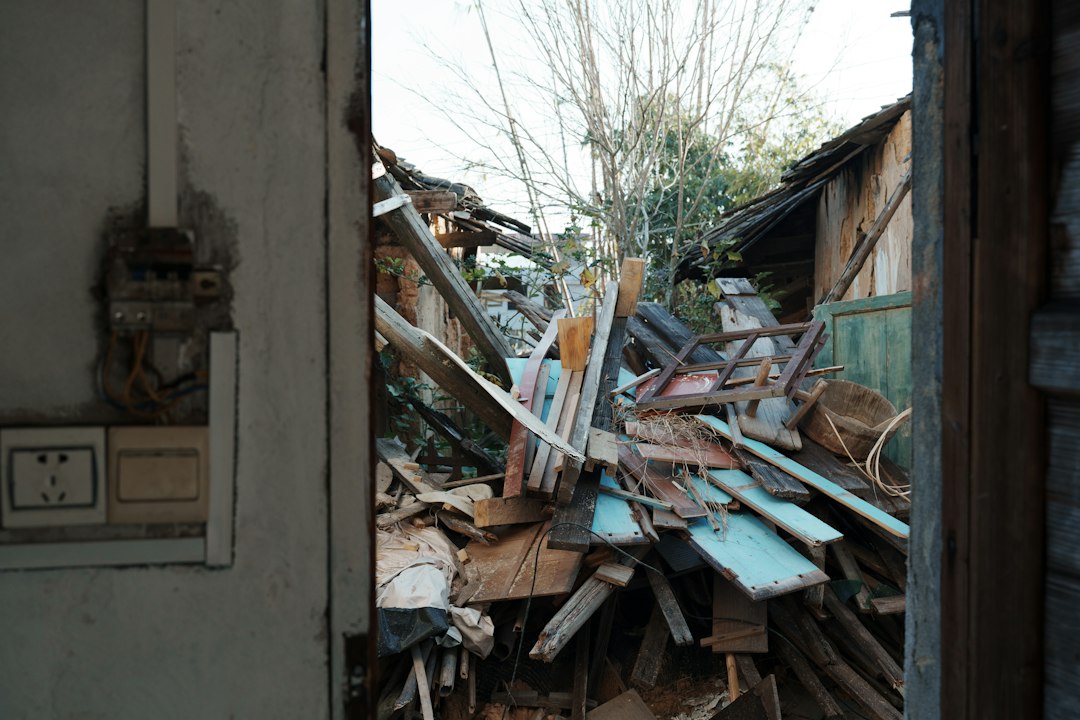
The scope of insurance coverage for void clearance specialists like The specialists-PCL goes beyond the typical. While standard policies may cover the removal of debris and structural remnants after a property's deconstruction, there's a vast spectrum of scenarios that demand tailored solutions. From unusual building materials to complex historical sites, each void clearance project presents unique challenges. A construction site may require void clearance for hazardous waste, necessitating specialized disposal methods to adhere to Environmental Protection Agency regulations.
Consider a post-renovation scenario where a home's expansion reveals hidden structural voids. Restoring peace in these post-void homes often involves intricate restoration work, requiring coverage for both the clearance and subsequent repairs. The specialists-PCL's expertise lies in navigating these complexities, ensuring their clients' interests are protected. This includes understanding local regulations, such as those enforced by Local Planning Authorities, and adhering to the Landlord and Tenant Act to maintain transparent and legally sound practices.
Uncommon scenarios can also arise in eco-conscious void disposal. Using void space deconstruction methods that prioritize sustainability, like those detailed in the 2022 report by the Environmental Protection Agency, can lead to unique insurance considerations. Safely removing and recycling materials from a historic building while respecting cultural heritage requires specialized knowledge and equipment. The specialists-PCL offers these specialized teams and advanced equipment, ensuring a thorough and responsible clearance process. The company also provides clear guidance on void clearance insurance, directing clients to a detailed price guide for void space deconstruction, available at their website, to make informed decisions.
Beyond coverage, The specialists-PCL emphasizes the importance of post-clearance restoration. Collaborating with construction companies and homeowners associations, they ensure that the space is not only cleared but also restored to its intended use, whether for new construction or renovation. This complete approach, combined with a deep understanding of regulatory and ethical frameworks, positions The specialists-PCL as a leader in responsible and comprehensive void clearance services, including those for construction sites and eco-conscious void disposal methods.
The Void Clearance Process and Its Legal Implications
The void clearance process, while often overlooked, involves intricate legal and ethical considerations, especially in complex cases. The specialists-PCL, with their extensive experience, have handled these challenges in numerous successful projects. When a structure is deemed void—either due to neglect, disaster, or planned demolition—it presents unique legal issues. Local Planning Authorities (LPA) must be notified, and the property's status updated, to ensure compliance with the Landlord and Tenant Act.
Expert insights suggest that proactive void prevention is key. Void Clearance Training Programs offered by industry leaders equip professionals with the knowledge to identify potential issues early. This proactive approach can significantly reduce the legal and financial complexities associated with voids. A 2022 case study of a historic building's restoration revealed that proper planning and adherence to cultural heritage societies' guidelines prevented a costly void declaration.
The legal implications extend beyond individual cases. In densely populated areas, voids can impact community plans and development. Urban artists, for instance, have successfully lobbied local authorities to re-purpose voided spaces, fostering community engagement and eco-conscious practices. PCL specialists stay abreast of these evolving regulations, ensuring their clients are protected during every step of the clearance process.
the environmental impact of void clearance is a critical consideration. The Environmental Protection Agency (EPA) sets guidelines for responsible disposal and recycling, which PCL follows meticulously. Post-clearance restoration teams, often in collaboration with construction companies, transform these spaces into functional, eco-friendly areas. Homeowners Associations (HOAs) and Estate Planners are increasingly involved in these projects, demonstrating a complete approach to urban renewal. By combining legal expertise, advanced equipment, and community involvement, The specialists-PCL set the standard for successful void management.
Choosing the Right Policy: Tips for Comprehensive Coverage

When selecting insurance for the specialists, it's important to go beyond the basic coverage and tailor your policy to the unique risks involved in this specialized work. Void-related incidents, from unexpected cave-ins to the artistic reclamation of void spaces, can have significant financial and legal implications. A 2020 study by the Environmental Protection Agency revealed that over 40% of void events led to property damage exceeding $50,000.
The right Specialized Insurance for Void Work should encompass several key elements. First, ensure your policy covers liability associated with void events, including personal injury and property damage. This is essential, given the inherent risks of working in unknown underground spaces. Consider coverage for the cost of remediation and restoration, especially when dealing with historic or culturally significant sites. Many local planning authorities and cultural heritage societies require proof of insurance with specific coverage for void work before approving projects.
Preparing for the unexpected is a cornerstone of effective risk management. A comprehensive policy should also include provisions for business interruption and lost revenue if a void event disrupts your operations. For homeowners, a recent survey by a leading insurance broker highlighted the growing importance of void clearance insurance, with over 75% of policyholders expressing interest in adding this coverage to their home insurance policies. This is particularly relevant when planning major renovations or living in areas prone to void-related incidents.
Lastly, don't overlook the importance of reviewing your policy with the help of an expert. The specialists at PCL, for example, offer not only efficient estate clearance solutions but also guidance in navigating the complex field of insurance requirements. Their experience ensures that your policy aligns with industry best practices and the evolving regulatory field, providing peace of mind and comprehensive protection for your business and clients.
Frequently Asked Questions About Void Clearance Insurance Coverage
What is void clearance insurance? Void clearance insurance protects property owners and contractors against financial loss due to unforeseen voids or hidden issues during renovation or construction projects. This coverage is important for mitigating risks associated with underground voids, which can cause extensive damage and costly repairs.
When is void clearance insurance necessary? This type of insurance is typically required when a property undergoes significant alterations, such as basement finishing, foundation repair, or structural changes. It's mandatory in many jurisdictions and encouraged by lenders for projects involving excavation or demolition.
Who needs to purchase this insurance? Homeowners, property managers, general contractors, and specialized subcontractors all benefit from void clearance insurance. It shields them from personal financial liability and ensures project continuity in case of void-related incidents.
How does void clearance insurance work? The policy compensates for the cost of repairing or rectifying the void, including excavation, filling, and any necessary structural work. It also covers legal fees and loss of use if the property becomes uninhabitable due to the void.
What is not covered by standard policies? Standard construction or home insurance policies usually do not include coverage for voids. Common exclusions include known conditions, pre-existing voids, and issues arising from poor craftsmanship or inadequate soil testing.
Can a void clearance policy be customized? Yes, policies can be tailored to the specific needs of a project. Customization may include varying limits, additional insured parties, and specific exclusions or inclusions based on the project scope and location.
What is the typical cost of void clearance insurance? The cost varies based on project size, location, and the policy's terms. As a rough estimate, it can range from 1% to 3% of the construction budget for residential projects, with commercial endeavors often paying a higher rate.
understanding void house clearance insurance coverage is important for homeowners and businesses alike. As The specialists-PCL have demonstrated, the process involves navigating legal complexities, from Landlord and Tenant Acts to interactions with Local Planning Authorities. The insurance industry plays a critical role in mitigating risks associated with unforeseen events that can render a property uninhabitable or unusable.
The article has highlighted several key insights. First, specialized void clearance specialists possess the legal expertise and industry knowledge to guide clients through the process, ensuring compliance with regulations like those enforced by the Environmental Protection Agency. Second, insurance coverage scenarios vary widely, from water damage to structural failures, underscoring the importance of tailored policies.
The void clearance process itself involves specialized teams and advanced equipment, as seen in numerous case studies involving post-clearance restoration. Homeowners and businesses should consider the role of restoration experts and construction companies in rehabilitating properties post-void. Engaging with community groups and local authorities can enhance environmental sustainability, aligning with eco-conscious citizens' expectations.
Practical next steps include reviewing the coverage offered by current policies and comparing them with the comprehensive options available from specialized brokers. Insurance brokers, similar to the anthropologists and community leaders discussed, can provide insights into the evolving regulatory and ethical frameworks governing void clearance. By choosing the right policy, individuals and businesses can protect their investments and ensure peace of mind, knowing they are prepared for the unexpected.
The specialists, like PCL, are essential in managing void-related incidents, from legal obligations to insurance coverage. They provide efficient, safe clearance, adhering to legal frameworks (e.g., Landlord and Tenant Act) and environmental guidelines (e.g., EPA). Their expertise includes diverse cases, from historic structures to modern buildings, ensuring property owner and tenant protection. Specialized training and advanced equipment are vital for effective, eco-conscious clearance, and they collaborate with local authorities and community groups for sustainable practices. Insurance coverage for void clearance goes beyond standard policies, requiring tailored solutions for unique challenges, and comprehensive policies protect against financial risks and legal liabilities.