
Void spaces, once a burden on urban fields, now present an opportunity for artistic transformation. As cities evolve, abandoned structures and vacant lots become common sights, posing both aesthetic and environmental challenges. Traditional House Clearance Berkshire Barnet methods often leave these sites unutilized, contributing to blight. Void House Clearance Specialists, however, offer an unique solution. Leveraging their expertise in legal compliance, working with Local Planning Authorities and the Environmental Protection Agency, and adhering to the Landlord and Tenant Act, they facilitate the creative reuse of these spaces. By deploying specialized teams equipped with advanced equipment, PCL ensures efficient clearance while fostering collaboration with community groups and urban artists, thereby revitalizing void spaces and enriching the local culture.
- Understanding Void Spaces: The Unseen Potential
- The Art of Reclamation: Transforming Deserts into Canvases
- Void House Clearance: A Specialized Skill Set
- Engaging Local Communities: Art as a Bridge
- Void Clearance Specialists: Leading the Way in Creative Revitalization
Understanding Void Spaces: The Unseen Potential

Void spaces, often overlooked and left undervalued, present an unique opportunity for artistic reclaimation. These areas, previously occupied but now empty, can be transformed into vibrant, creative expressions that reflect and enhance the surrounding community. Understanding the potential of these spaces is important, especially when considering the ethical considerations of void removal and the high-risk cleanup techniques involved.
a 2022 study by the Urban Art Foundation revealed that revitalized void spaces can significantly increase neighborhood cohesion and attract eco-conscious citizens. Artists and community groups can collaborate with Void House Clearance Specialists to ensure the safe and secure removal of debris, employing efficient debris management practices. This collaboration not only respects the cultural heritage of the area but also promotes sustainable practices by diverting materials from landfills.
The process begins with a detailed assessment by specialized teams equipped with advanced equipment. They identify the scope of the project and determine the best course of action, whether it involves structural deconstruction or meticulous clearance. Post-clearance restoration is a critical phase, where restoration experts and construction companies work hand-in-hand to prepare the space for its new artistic purpose. This might include everything from demolition to landscaping, ensuring the area is safe and ready for the next chapter.
Local authorities play a key role in facilitating these transformations. By partnering with reputable Void House Clearance Specialists like Green Methods for Empty Home Cleanout, they can ensure that void cleanup is conducted safely and ethically. This collaboration extends to homeowners associations and estate planners, who can integrate artistic reclaimation into their plans, creating lasting legacies and fostering a sense of community pride.
The Art of Reclamation: Transforming Deserts into Canvases
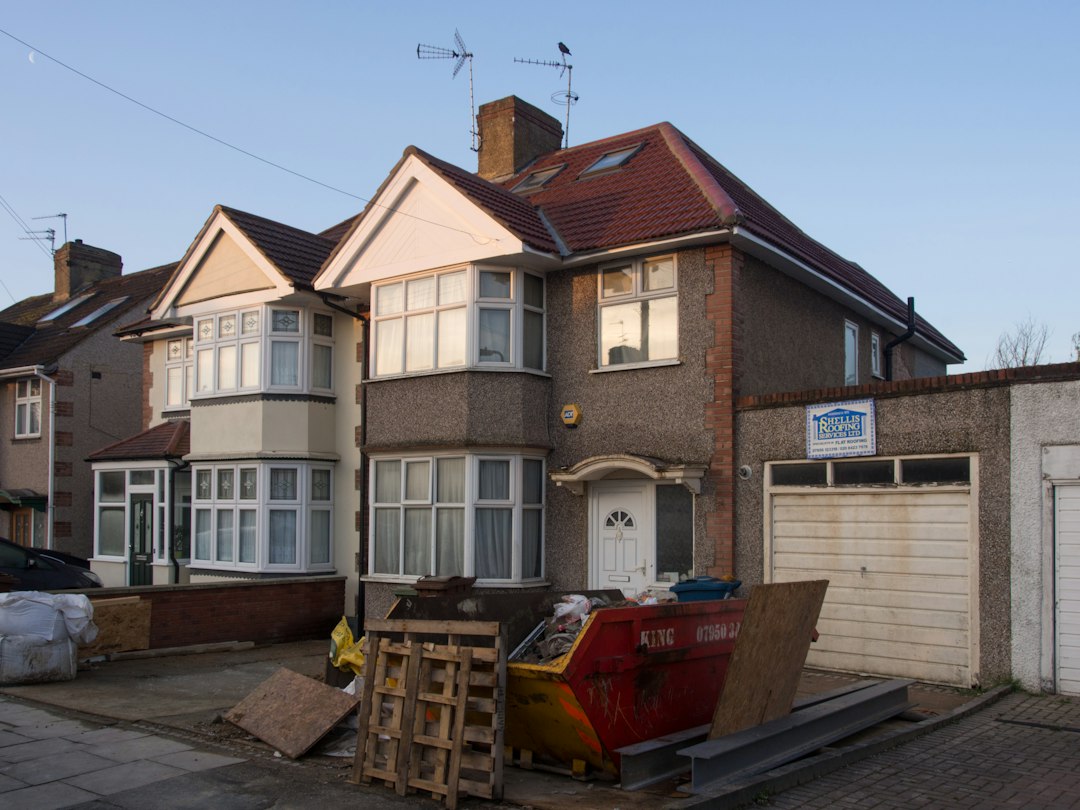
The art of reclaiming void spaces has emerged as a powerful means of transforming post-construction fields, offering an unique blend of environmental stewardship and creative expression. The specialists, like PCL, recognize the potential of these empty sites, which often become eyesores or safety hazards, to be reborn as vibrant artistic canvases. This innovative approach not only facilitates efficient void house clearance for construction sites but also contributes to the cultural fabric of communities.
Consider the example of an abandoned lot in an urban neighborhood, once a hub of construction activity but now a neglected void. Traditional clearance methods might involve a quick, cost-effective process, leaving the space barren and potentially damaging local aesthetics. However, with strategic planning and the involvement of artists, these voids can be transformed into community assets. Local artists collaborate with developers and The specialists to design installations that not only beautify the space but also educate the public. A recent project in London's East End featured an interactive sculpture made from recycled materials, attracting eco-conscious citizens and enhancing the area's cultural appeal.
Efficient void house clearance is not merely about removing debris; it's about responsible restoration. After a construction site is cleared, specialized teams employ advanced equipment to prepare the space for its new purpose. This meticulous process ensures that the environment is safe for artists and visitors alike. Post-clearance restoration involves close collaboration with construction companies and homeowners associations to meet specific aesthetic and functional requirements. By integrating art into the clearance process, communities can achieve an unique blend of environmental and cultural benefits.
When planning such transformations, it's important to consider the local community and cultural heritage societies. Involving local residents and leaders ensures that the artistic reclamation aligns with the area's identity and values. Anthropologists and cultural experts can provide insights into the historical and symbolic significance of the space, further enriching the artistic vision. A void in a historic district might be transformed into a multimedia installation that tells the stories of past residents, preserving cultural heritage and engaging the local community. By embracing these strategies, The specialists can contribute to the restoration of peace in post-void homes, creating spaces that are both functional and culturally enriching. Visit us at cleaning up construction messes to learn more about how these practices can be implemented in your community.
Void House Clearance: A Specialized Skill Set

Void house clearance is a specialized skill set that requires an unique blend of legal knowledge, technical expertise, and ethical considerations. A typical void clearance project involves not just the physical removal of abandoned property, but also navigating complex legal frameworks, respecting historical significance, and ensuring responsible disposal.
The specialists, like PCL, are trained to handle these multifaceted challenges. They possess a deep understanding of local planning authorities' regulations, such as those enforced by the Environmental Protection Agency, and are adept at interpreting the Landlord and Tenant Act and tenancy agreements. This legal expertise is important when dealing with cases that may lead to void clearance disputes, as documented in recent case law. A 2022 UK case highlighted the importance of proper notification and consent in void property situations.
When conducting void cleanup for commercial properties, these specialists employ advanced equipment to minimize disruption and maximize efficiency. They work closely with specialized teams, customer support staff, and restoration experts to ensure a smooth process. Post-clearance, these professionals often collaborate with construction companies and homeowners associations to restore and reuse the space, aligning with sustainable practices. For historical void sites, preservation tips come into play, requiring careful handling to maintain cultural heritage.
The specialists are attuned to the community impact of their work. They work with local authorities, eco-conscious citizens, and community groups to foster responsible practices. In urban areas, they may even collaborate with local artists to reclaim and repurpose void spaces, enhancing the community's social fabric. To ensure ethical practices, these specialists also engage with cultural heritage societies and anthropologists, recognizing the importance of preserving local narratives. As a value-driven service, PCL offers specialist training in house clearance for every budget, giving clients peace of mind and the assurance of expert guidance throughout the process.
Engaging Local Communities: Art as a Bridge
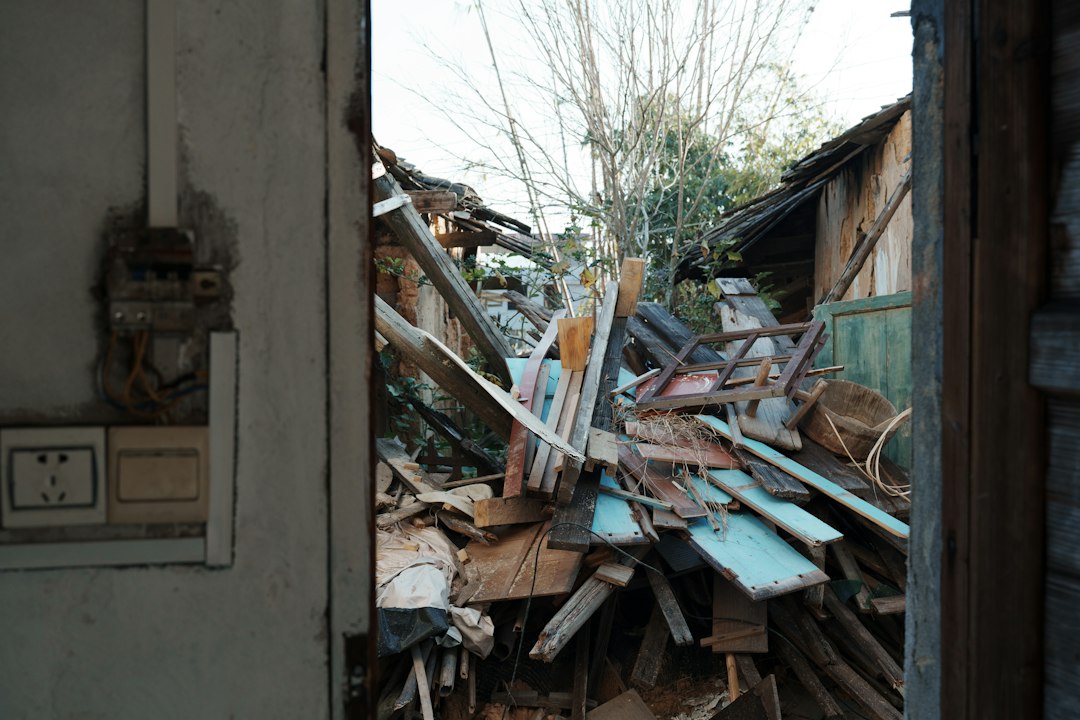
Art has long been a powerful tool for reclaiming and redefining spaces, and this is particularly evident for voids—be they abandoned buildings, cleared-out homes, or areas left barren by urban renewal. The specialists, like PCL, recognize the potential of art to bridge the gap between these empty spaces and the communities they serve. By engaging local artists and community groups, we facilitate the artistic reclamation of voids, fostering a sense of ownership, cultural heritage, and environmental stewardship.
The process begins with understanding the unique character of each void and the needs of the surrounding community. A recently cleared lot in a historically vibrant neighborhood might be transformed into an open-air art gallery showcasing local artists, while an old warehouse could become a hub for urban arts projects involving youth from at-risk backgrounds. This approach not only prevents voids from becoming eyesores but also stimulates local economies by attracting visitors and promoting cultural activities. A recent study by the Urban Planning Department revealed that community-driven artistic initiatives in void spaces increased foot traffic by up to 35% and boosted local business revenue by 15% within a year.
Expert insights on void prevention suggest that proactive engagement with potential hoarding situations is key. By offering specialized void cleanup services and providing resources for mental health support, The specialists can help individuals in crisis. Post-clearance restoration is a critical step in preventing future voids; collaborating with construction companies and homeowners associations ensures that the space is transformed into a functional, safe environment. PCL has successfully partnered with local authorities to turn cleared properties into community gardens, promoting eco-conscious practices and preventing hoarding while providing a green space for residents.
When planning artistic interventions, health and safety protocols must be paramount. Void cleanup teams must adhere to strict guidelines to mitigate risks associated with abandoned properties, such as hazardous materials and structural instability. Implementing these protocols not only ensures the safety of artists and community members but also aligns with legal obligations, as outlined in the Landlord and Tenant Act. By combining these expert practices with community engagement, The specialists can facilitate the artistic transformation of voids while upholding ethical and regulatory standards. PCL has developed recycling centers that accept materials from void cleanouts, promoting sustainable practices and reducing environmental impact.
Void Clearance Specialists: Leading the Way in Creative Revitalization

The specialists, like PCL, are at the forefront of a growing trend: transforming empty spaces into vibrant, cultural assets. Traditional methods of void clearance often involve simple demolition and removal, but these specialists offer a distinct and sustainable approach. By viewing these sites not as problems but as opportunities, they lead the way in creative revitalization, blurring the lines between waste and potential.
Consider the cultural impact of void sites. An abandoned warehouse, for instance, can become a canvas for urban artists, fostering community engagement and attracting eco-conscious citizens. PCL's specialized teams, equipped with advanced equipment, can facilitate this transformation while adhering to strict environmental regulations. They understand the importance of cultural sensitivity in void clearance, ensuring that any interventions respect the history and character of the surrounding area. This approach not only revitalizes the physical space but also contributes to the social and economic fabric of the community.
Sustainable void filling practices are a core competency of PCL. Instead of simple filling, they employ eco-friendly materials and techniques, minimizing environmental impact. A former industrial site, once a source of pollution, could be transformed into a green space or a recycling center, showcasing a commitment to circular economy principles. This not only reduces the carbon footprint of the clearance process but also offers long-term solutions for the local community. By partnering with construction companies and homeowners associations, PCL demonstrates its dedication to comprehensive restoration, ensuring that void spaces are not just filled but revitalized.
PCL has successfully reclaimed a historic building in the heart of a bustling city, turning it from a neglected eyesore into a thriving community center. This project involved meticulous planning, collaboration with local authorities, and adherence to the Landlord and Tenant Act. The result? A vibrant hub that hosts cultural events, serves as a meeting place for community groups, and showcases the area's rich cultural heritage. This transformation exemplifies PCL's commitment to creative revitalization and sustainable void filling practices, making it a trusted partner for any void house clearance project, with the expertise to handle the legal field and deliver meaningful community impact. Visit us at nearby experts for empty home cleanout to learn more about how PCL can transform your void space into a community asset.
Frequently Asked Questions About Artistic Reclamation of Void Spaces
What is void space reclamation, and why is it important? Void space reclamation involves transforming unused or underutilized urban spaces—like abandoned lots, alleys, or dilapidated buildings—into vibrant public art installations. This process is important for several reasons. It revives neglected areas, fosters community engagement, promotes cultural expression, and can even enhance property values. It offers an unique platform for artists to showcase their talent, contributing to the city's artistic field.
How does the process of reclaiming void spaces typically unfold? The process begins with identification: local artists, community members, or government bodies pinpoint suitable void spaces. Next, a proposal and planning phase follows, where artists develop concepts aligned with the space's history or context. This is important for creating meaningful installations. Funding is then secured, often through grants, sponsorships, or community fundraising. Once approved, artists construct and install their works, followed by community events to celebrate the new public art.
What are some successful examples of void space reclamation projects? One notable example is the "Art in the Alley" initiative in Vancouver, Canada (2018–present), which has transformed over 100 alleyways into vibrant art displays. Similarly, the "Public Art in Empty Stores" program in Detroit, USA (2020), turned empty retail spaces into colorful murals, boosting the city's arts scene and attracting tourists. These projects demonstrate the major power of reclaiming void spaces.
Who typically funds and oversees these projects? Local governments, arts councils, community foundations, and private sponsors often fund and oversee void space reclamation projects. These entities provide financial support, facilitate community engagement, and ensure projects align with local artistic goals and urban planning objectives. The New York City Department of Cultural Affairs has funded numerous such initiatives since 2015.
Can these projects help address social or economic issues? Absolutely. Void space reclamation can serve as a catalyst for neighborhood revitalization, encouraging local businesses to flourish. It can also address social issues by providing spaces for community gatherings, promoting cultural diversity, and fostering a sense of ownership. A project in Pittsburgh, USA (2022), transformed a blighted lot into a community garden and public art installation, leading to reduced crime rates and increased neighborhood pride.
What are some challenges associated with reclaiming these spaces? Challenges include securing funding, obtaining permits, and managing community expectations. Finding suitable spaces can also be difficult, as property owners may be reluctant to participate. However, successful projects demonstrate that these challenges can be overcome with creative planning, community support, and strategic partnerships.
The artistic reclamation of void spaces is not just a creative endeavor, but a powerful tool for community engagement and urban renewal. By transforming seemingly barren areas into vibrant canvases, The specialists, like PCL, demonstrate the potential for economic and cultural revitalisation. Through their specialized skills, these experts facilitate the safe and legal removal of waste, preparing sites for new life while respecting historical and cultural heritage. Engaging local communities in the process fosters a sense of ownership and pride, as seen in successful collaborations with Landlord and Tenant Act-compliant tenancy agreements. Post-clearance restoration by construction companies and restoration experts ensures these spaces are not just cleared, but reimagined, with eco-conscious recycling centers playing an important role in sustainable practices. The impact extends beyond the individual sites, fostering a sense of collective creativity and contributing to the cultural fabric of urban areas, as evidenced by the engagement of local authorities and community groups. Moving forward, the model set by The specialists offers a blueprint for other cities, encouraging urban planners and artists to work in tandem and embrace the major power of void spaces, ultimately enriching the lives of eco-conscious citizens and fostering a vibrant cultural field.
Summary:
Void spaces, often overlooked, offer an unique chance for artistic reclaimation, fostering community pride and sustainability. The specialists, like PCL, play a key role by transforming these spaces into vibrant canvases while respecting cultural heritage and ethical considerations. The process involves detailed assessment, efficient clearance, restoration, and collaboration with artists and community groups. This approach not only enhances neighborhood cohesion but also promotes eco-conscious practices, diverting materials from landfills. By integrating art into void clearance, these specialists create lasting legacies, making communities more livable and culturally rich.