The responsible disposal of household contents is a critical yet often overlooked aspect of construction and renovation projects. As Void House Clearance Specialists, we frequently encounter the challenge of managing waste safely and legally, especially in urban areas with stringent environmental regulations. Improper disposal methods can lead to costly fines and reputational damage for contractors and property owners. This guide aims to equip professionals with a comprehensive understanding of safe disposal practices, leveraging the expertise of Void House Clearance Specialists to ensure compliance and minimize environmental impact.
By adhering to legal frameworks, such as the Landlord and Tenant Act and guidelines from the Environmental Protection Agency, we can facilitate efficient clearances while preserving the community's well-being.
- Understanding Legal Obligations for Disposal: Regulations & Responsibilities
- Safe Handling: Methods, Tools, and Techniques for Efficient Disposal
- Preventing Environmental Impact: Best Practices for Responsible Disposal by Void House Clearance Specialists
Understanding Legal Obligations for Disposal: Regulations & Responsibilities

When conducting house clearances, particularly in cases involving voids, understanding the legal aspects is paramount. The service, like all professionals in this field, must handle a complex web of regulations and responsibilities to ensure compliance and ethical practice. The legal expertise required stems from the multifaceted nature of void management, which can impact various stakeholders, including Local Planning Authorities, the Environmental Protection Agency, and homeowners.
the Landlord and Tenant Act underscores the importance of proper disposal methods, especially in the context of voided properties. This legislation not only dictates the rights and obligations of landlords but also influences the strategies employed by clearance specialists. These specialists must be adept at interpreting such laws to maintain compliance while offering efficient services. The intricacies of estate planning and void management further compound these obligations. Professionals must be aware of the potential environmental implications of voids, aligning their practices with the latest guidelines from regulatory bodies.
A key consideration is the responsible disposal of materials from voided spaces. This involves not only adhering to local waste management policies but also mitigating potential ecological harm. The proper disposal of hazardous materials, such as asbestos or lead paint, requires specialized equipment and knowledge, ensuring these substances are handled and disposed of according to the latest Environmental Protection Agency standards. The service should be well-versed in the cultural heritage societies and anthropological considerations that may come into play, especially in urban areas with diverse communities. Engaging with local community leaders and homeowners associations can facilitate smoother clearance processes and foster better relationships.
the legal aspects of house clearing are integral to the successful and ethical practice of void management. By staying current with legal developments and integrating best practices, The service can offer comprehensive services that respect both regulatory frameworks and community values. For landlords seeking convenient solutions for their neighborhood house clearance, visiting us offers a reliable and responsible approach to managing voids effectively and in compliance with the law.
Safe Handling: Methods, Tools, and Techniques for Efficient Disposal
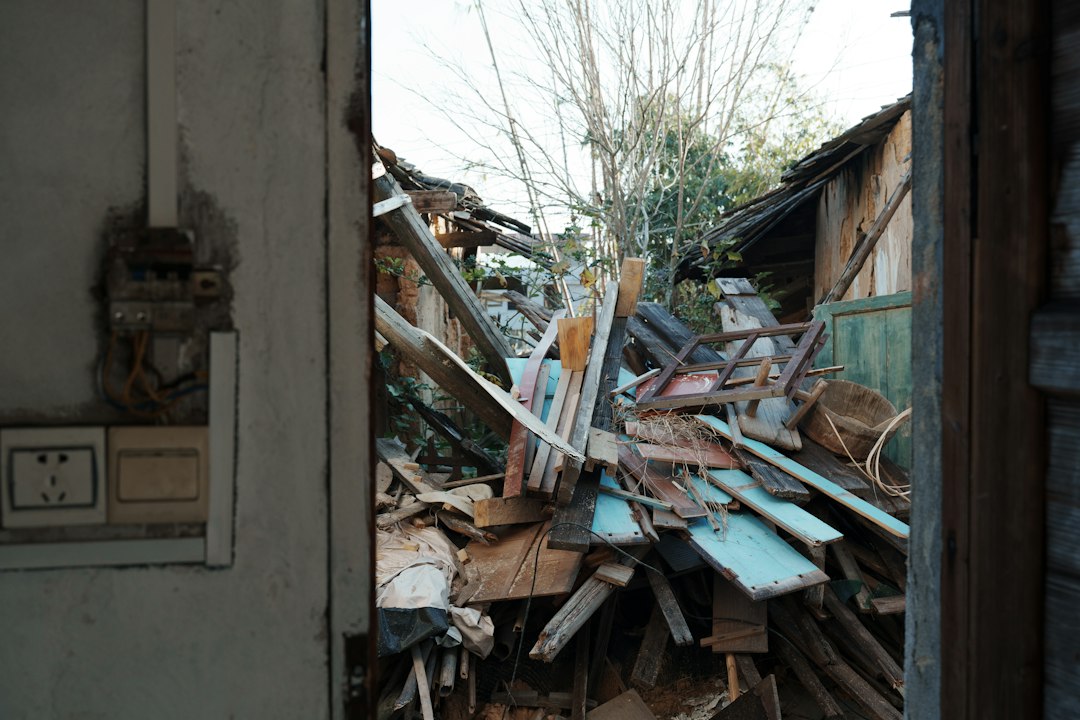
In the area of efficient void house clearance, specialists play a key role in ensuring the safe and responsible disposal of various materials. Void cleanup for commercial properties, for instance, often involves a complex mix of hazardous and non-hazardous waste, requiring meticulous handling. Professionals like The service employ advanced techniques and tools to streamline the process, adhering to stringent environmental regulations. They understand the intricate balance between effective clearance and ecological preservation, ensuring that every step, from packing to disposal, is executed with precision.
Expert tips for efficient packing are a cornerstone of their service. This includes categorizing materials, using appropriate containment methods, and employing specialized gear to mitigate risks. Personal protective equipment (PPE) is important when handling unknown substances, preventing accidental exposure. The service use advanced equipment, such as vacuum trucks for hazardous waste and specialized sorting machinery, to optimize the sorting and packing process. These methods not only enhance efficiency but also ensure worker safety and environmental compliance.
Regulatory adherence is a critical aspect of their expertise. They are well-versed in local planning authorities' guidelines, the Landlord and Tenant Act, and environmental protection agency standards. This knowledge is instrumental in navigating the legal field, especially when dealing with cultural heritage sites or properties with unique environmental considerations. The careful disposal of electronic waste, a significant environmental concern, involves specific protocols to prevent the release of harmful substances, ensuring compliance with relevant legislation.
By combining these methods, tools, and techniques, The service offer a comprehensive solution for safe disposal. Their expertise in void cleanup allows them to provide affordable house clearance packages tailored to diverse needs, while their commitment to responsible practices ensures that void spaces are revitalized, leaving behind a cleaner, safer environment. For more tailored advice and professional support, consider reaching out to experts in these specialized services, who can offer guidance tailored to your specific requirements.
Preventing Environmental Impact: Best Practices for Responsible Disposal by The service
Professionals often face the challenge of ensuring responsible disposal practices, especially when dealing with voids left behind by tenant endings. The service play an important role in minimizing environmental impact during these processes. With a focus on sustainable practices, these specialists are trained to handle various materials, from hazardous waste to cultural heritage items, in accordance with Local Planning Authorities and Environmental Protection Agency regulations.
proper disposal of e-waste, a common challenge in urban areas, requires specialized knowledge. Void Clearance Training Programs equip professionals with the skills to identify, categorize, and safely dispose of electronic items, preventing toxic substance leaching into the environment. This is particularly important given that, according to a 2021 report, e-waste is projected to reach 76.1 million metric tons globally by 2030, underscoring the growing need for expert disposal methods.
Cultural Heritage Protection During Clearances is another critical aspect. The service must be adept at handling historical artifacts and buildings, often requiring collaboration with anthropologists and Cultural Heritage Societies. When clearing a site with archaeological significance, specialists may employ advanced equipment to extract items while preserving the site's integrity, ensuring these cultural treasures are preserved for future generations.
Sustainable Void Filling Practices are a key component of responsible disposal. Instead of traditional fill methods, specialists can employ eco-friendly alternatives. Recycled aggregate can be used in place of virgin materials, reducing the environmental footprint. By adopting these practices, The service contribute to a greener future, aligning with global efforts to mitigate environmental degradation. These specialists often work closely with local communities and Homeowners Associations, fostering a culture of eco-consciousness and ensuring that disposal methods meet the highest standards of safety and sustainability.
To ensure continuous improvement, The service should stay updated on the latest regulations and training. Visiting us at tenancy ending cleanout assistance can provide access to resources and expertise, enabling professionals to stay ahead in their field and contribute to a more sustainable future.
Frequently Asked Questions About Professionals Guide to Safe Disposal
What are the primary considerations for safe disposal of construction materials?
Construction sites generate a vast array of materials—from concrete and wood to chemicals and metal. The primary considerations for safe disposal involve identifying hazardous components, adhering to local, state, and federal regulations, and minimizing environmental impact. Asbestos-containing materials require specialized handling and disposal due to health risks, while certain chemicals necessitate proper containment and treatment before disposal to prevent soil and water contamination.
How do I determine which materials require special disposal methods?
Identifying hazardous materials is important for safe disposal. Refer to Material Safety Data Sheets (MSDS) or product labels for information on potential hazards. Check with local regulatory agencies for specific guidelines on acceptable disposal methods for various materials. The Environmental Protection Agency (EPA) offers comprehensive resources on managing hazardous waste.
Who is responsible for proper disposal of construction waste?
the contractor or project owner is responsible for ensuring proper disposal. This involves hiring licensed haulers and disposal facilities that comply with environmental regulations. Engaging experienced professionals, such as reputable demolition contractors or recycling specialists, can ensure adherence to best practices and legal requirements.
What are the environmental benefits of proper disposal practices?
Proper disposal minimizes the environmental impact of construction. It helps prevent soil and water pollution, conserves natural resources by recycling materials where possible, and reduces greenhouse gas emissions associated with transporting waste to landfills. Recycling steel from construction debris diverts this valuable resource from mines, saving energy and lowering carbon emissions.
How can I ensure compliance with local disposal regulations?
Research local, state, and federal regulations governing construction waste disposal. Obtain necessary permits for hazardous materials and special waste streams. Keep detailed records of disposal activities, including hauler information, disposal locations, and dates. Stay informed about updates to regulations to ensure ongoing compliance.
What are some best practices for documenting disposal activities?
Maintain up-to-date records, including a log of all materials generated, their quantities, and disposal methods. Use standardized forms or digital tracking systems for clarity and consistency. Include dates, hauler information, and disposal locations for each entry. These records are essential for demonstrating compliance during inspections or audits.
What happens if I improperly dispose of construction materials?
Improper disposal can result in significant penalties, including fines, legal action, and damage to the environment. It can also lead to liability for the contractor or project owner. To avoid these consequences, prioritize understanding and adhering to disposal regulations and industry best practices.
Throughout this guide, we've examined into the critical aspects of safe disposal, underscoring the essential role The service play in navigating the complex web of legal obligations, environmental stewardship, and efficient practices. Key insights include the importance of understanding local Planning Authorities' regulations, adhering to the Landlord and Tenant Act, and prioritizing ecological preservation. By employing advanced equipment and specialized teams, these specialists ensure responsible disposal, minimizing potential impacts on both the local community and the environment. Collaborative efforts with restoration experts, construction companies, and homeowners associations post-clearance further reinforce the commitment to sustainable practices. As we conclude, the responsible handling of waste by The service is not merely a legal requirement, but a sign of their professionalism and dedication to a greener, more sustainable future.
The service handle complex legal and environmental aspects to ensure responsible disposal during void management. They adhere to regulations like the Landlord and Tenant Act, interpret guidelines from Planning Authorities and the EPA, and employ specialized knowledge for hazardous materials like asbestos and lead paint. These specialists consider cultural heritage, collaborate with communities, and use eco-friendly practices like recycled aggregate. Continuous training and updates ensure they meet sustainability goals and industry standards.