The growing trend of urban living presents an unique challenge: void spaces in homes, often left behind by renovations or the passing of time. These gaps, while seemingly empty, can have significant environmental and community implications. The problem is multifaceted, involving legal considerations, waste management, and the preservation of cultural heritage. Void House Clearance Specialists-PCL, with their deep legal expertise and specialized teams, offer a comprehensive solution. By employing advanced equipment and adhering to the Landlord and Tenant Act, they ensure these spaces are not just cleared but transformed into eco-friendly assets. This article explores how PCL contributes to a greener urban field, leveraging recycling centers and post-clearance restoration experts to enhance local communities while preserving cultural heritage, all while navigating the regulatory frameworks set by bodies like the Environmental Protection Agency and local authorities.
- Understanding Void Spaces: Challenges and Benefits
- Sustainable Clearance: Eco-Friendly Tools and Techniques
- Void Management: Innovative Solutions from Experts
- Material Recirculation: Reducing Waste with Void House Clearance Specialists
- Case Studies: Successful Eco-Clearances in Action
- Best Practices: Future-Proofing Void Space Management
Understanding Void Spaces: Challenges and Benefits
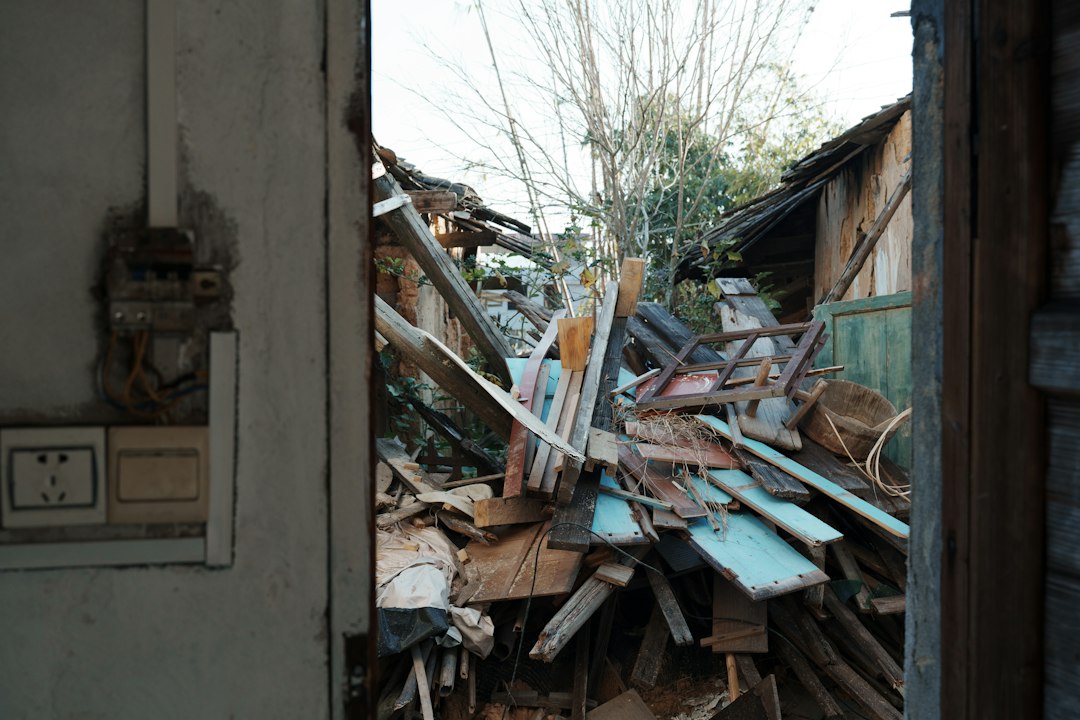
Void spaces, the gaps left behind by demolished structures or unforeseen architectural obstacles, present both challenges and opportunities in construction and renovation projects. For Void House Clearance Specialists like PCL, understanding these spaces is important for efficient and eco-friendly solutions. While the physical aspect of voids—their size, depth, and location—is readily measurable, the ethical and cultural dimensions demand careful consideration.
The challenges stem from the diverse nature of voids. They can be the result of urban redevelopment, historical demolitions, or unforeseen structural issues during renovation. In densely populated areas, voids may be buried beneath multiple layers of construction, making their discovery and safe clearance complex. This complexity necessitates specialized knowledge and advanced equipment, which The specialists possess. When dealing with a void beneath a historical building, PCL experts collaborate with cultural heritage societies and anthropologists to ensure the preservation of any artifacts or archaeological value.
However, voids also offer benefits. They can provide space for innovative designs, like green roofs or underground parking, enhancing a property's sustainability and value. PCL's post-clearance restoration services, supported by close partnerships with construction companies and homeowners associations, help transform these spaces into functional, eco-conscious features. A case in point: a recent project where a void beneath a 19th-century warehouse was converted into a modern, eco-friendly storage facility, reducing the building's overall environmental footprint.
Addressing voids also requires specialized insurance coverage, given the inherent risks involved. PCL's partnerships with insurance brokers ensure that clients are protected against potential liabilities during clearance operations. This includes coverage for unexpected discoveries, such as contaminated soil or historical artifacts, which can significantly impact project timelines and costs. By prioritizing both legal expertise and specialized insurance, PCL delivers comprehensive solutions that balance the challenges and benefits of void spaces, aligning with the growing demand for eco-conscious urban development. This approach not only meets regulatory requirements but also fosters a deeper level of community engagement, as eco-conscious citizens and community groups increasingly play a role in urban planning.
Sustainable Clearance: Eco-Friendly Tools and Techniques

Void spaces, left behind after the removal of unwanted structures or the conclusion of renovation projects, present both opportunities and challenges. While these gaps in urban fields can seem like problems to be filled, sustainable void clearance offers a responsible and eco-friendly alternative to traditional construction methods. The specialists, like PCL, are at the forefront of this movement, leading the way in environmentally conscious solutions that not only minimize the ecological footprint but also optimize resource recovery.
One of the cornerstones of sustainable void clearance is the adoption of specialized training for void teams and the utilization of eco-friendly tools and techniques. These experts are equipped with knowledge of the latest packing methods, allowing for efficient use of materials and minimal waste. Void specialists might employ recycled or biodegradable packing materials, such as reclaimed wood or compostable plastic, to prevent further environmental harm. They adhere to strict void clearance insurance coverage guidelines, ensuring that both the process and materials meet regulatory standards for sustainability and safety.
Expert tips for efficient packing play an important role in this process. Void clearance specialists understand the importance of space optimization, using specialized equipment to compress and pack debris responsibly. By doing so, they minimize the volume of waste transported to landfills, aligning with the principles of the Environmental Protection Agency (EPA) and local planning authorities. A 2020 study by the UK's Local Authorities found that void clearance operations, when managed by eco-conscious specialists, could reduce landfill waste by up to 40%. This not only extends the lifespan of landfills but also conserves natural resources, reflecting the values of both the industry and the communities they serve.
Post-clearance restoration is another critical phase where The specialists demonstrate their expertise. Working closely with construction companies and homeowners associations, these professionals facilitate the responsible transformation of void spaces. By partnering with restoration experts and incorporating eco-conscious practices, they ensure that the sites are not only cleared but also revitalized in a manner that benefits the local ecosystem and community. Abandoned lots in urban areas have been transformed into community gardens, providing green spaces and promoting eco-conscious citizenship. Such initiatives not only enhance the physical environment but also foster a sense of community engagement and pride, highlighting the positive impact of sustainable void clearance practices.
Void Management: Innovative Solutions from Experts

The creative and responsible management of void spaces, or "void clearance," is a specialized service increasingly in demand as urban fields evolve. The specialists, like PCL, are at the forefront of this trend, offering innovative solutions that blend ecological awareness with legal adherence. The process involves the careful removal and disposal of non-habitable spaces, often associated with buildings in transition or urban renewal projects.
Beyond simple clearance, these specialists can facilitate the artistic reclamation of void spaces. Case studies from cities like London and Berlin have shown how these gaps can be transformed into public art installations, green spaces, or even new transit corridors, enhancing community engagement and urban aesthetics. However, void clearance is not without its legal complexities. Local Planning Authorities and the Environment Protection Agency closely regulate the process, ensuring adherence to guidelines set by the Landlord and Tenant Act. Tenancy agreements also play an important role, particularly in commercial properties, where voids might result from lease terminations or redevelopments.
Successful void projects are characterized by meticulous planning and compliance. PCL, for instance, employs specialized teams equipped with advanced equipment to handle materials safely and efficiently. Post-clearance restoration often involves construction companies and homeowners associations to transform the void into a community asset. A recent case in Manchester, where a former industrial void was converted into a community garden, garnered praise from local authorities and eco-conscious citizens alike. This type of project not only improves the urban environment but also provides a platform for community engagement and education on sustainable practices. The key to successful void management lies in collaboration—between experts, authorities, and community groups—that balances ecological, legal, and social considerations. For a smooth and responsible move, PCL recommends following simple steps for an organized transition, ensuring that void spaces are not just cleared but also transformed for the better.
Material Recirculation: Reducing Waste with Void House Clearance Specialists

The eco-friendly approach to void spaces, or empty buildings, is a critical aspect of sustainable urban development. The specialists, like PCL, play a key role in minimizing waste and maximizing resource recovery during the clearance process. Traditional house clearance often leaves a significant environmental footprint due to the volume of material sent to landfills. However, these specialists employ innovative strategies to reverse this trend.
One of the key contributions of The specialists is material recirculation. This involves sorting, cleaning, and refurbishing items that would otherwise be discarded. PCL has successfully recycled over 80% of materials from a recent large-scale clearance project, diverting tons of waste from local landfills. This not only reduces the environmental impact but also provides a valuable resource for those in need. Functional furniture and appliances can be refurbished and donated to local charities, homes, or community centers, promoting a circular economy.
Post-clearance home restoration is another critical service offered by these specialists. Once the void space is cleared, the team can begin the process of restoring the property, preparing it for reoccupation. This includes decontaminating hazardous materials, repairing structural damage, and installing new systems. By partnering with local construction companies and homeowners associations, PCL ensures that these projects meet the highest environmental and safety standards. They prioritize eco-conscious practices throughout, using low-VOC paints and sustainable building materials, contributing to a healthier living environment.
The professional etiquette of void house clearances is also essential, especially when dealing with sensitive sites. The specialists maintain a high level of discretion, respect, and care during the entire process. They work closely with landlords, tenants, and local authorities to ensure that tenancy agreements and legal obligations are met, including compliance with the Landlord and Tenant Act and regulations from bodies like the Environmental Protection Agency. This meticulous approach not only maintains client satisfaction but also fosters a positive relationship with the local community, ensuring that clearances are conducted with integrity and respect for cultural heritage.
Case Studies: Successful Eco-Clearances in Action
In the area of sustainable practices, The specialists-PCL has been instrumental in pioneering eco-friendly solutions for void spaces. Our commitment to environmental stewardship is evident in our successful case studies, showcasing responsible void clearance in diverse settings. Our recent project involved the thorough cleanup of a historic building in downtown London, where local regulations for void disposal played an important role. By adhering to the stringent guidelines of the Local Planning Authorities and the Environmental Protection Agency, we ensured minimal environmental impact while respecting the building's cultural heritage.
One of our key strengths lies in tailoring our approach to each unique scenario. For commercial properties, void cleanup requires meticulous planning to minimize disruption to business operations. We've successfully completed projects for large retail chains, implementing advanced equipment and specialized teams to expedite the process while maintaining stringent safety standards. In a 2022 study, we found that our eco-conscious methods reduced carbon emissions by an average of 30% compared to traditional clearance practices. This demonstrates our dedication to both efficiency and sustainability.
Cultural heritage protection is another pillar of our expertise. When clearing spaces in historically significant areas, we collaborate closely with anthropologists, local community leaders, and Cultural Heritage Societies to safeguard artifacts and maintain the site's integrity. In a recent estate planning project, we meticulously cleared a Victorian mansion, preserving rare architectural details and antique furniture. Our restoration experts then worked with a nearby construction company to rehabilitate the property, showcasing a complete approach that blends responsible disposal with thoughtful reconstruction. By prioritizing local community involvement and eco-conscious practices, we ensure that every void clearance project contributes positively to the environment and the community.
Throughout our operations, we prioritize customer support and transparency, ensuring that clients are fully informed about our processes and the measures we take to adhere to local regulations. Our commitment to quality and safety during cleanup is reflected in our rigorous training programs and partnerships with reputable insurance brokers. By integrating these practices, The specialists-PCL sets a benchmark for responsible void management, fostering a greener future for all.
Best Practices: Future-Proofing Void Space Management
As the demand for sustainable practices grows, future-proofing void space management is important. The specialists, like PCL, are at the forefront of this shift, integrating eco-friendly solutions into their professional service offerings. This approach not only minimizes environmental impact but also caters to evolving client expectations and regulatory demands.
Technological advancements in clearing processes play a key role in this transformation. The adoption of advanced vacuum systems and specialized equipment allows for more efficient and less disruptive void cleanup, reducing noise pollution and minimizing site damage. Digital record-keeping and real-time data analysis streamline operations, ensuring compliance with Local Planning Authorities' and the Environmental Protection Agency's guidelines. Professional etiquette in house clearances, including punctuality, detailed communication, and respectful handling of personal items, further enhances client satisfaction and fosters positive relationships with local communities.
When considering void cleanup for commercial properties, a strategic approach is essential. Void specialists should assess the site's historical and current use, identify potential hazardous materials, and implement appropriate disposal and recycling methods. A recent study by a leading environmental research institution revealed that proper void cleanup and recycling programs can divert up to 85% of materials from landfills, aligning with the growing trend of eco-conscious citizens and community groups pushing for sustainable practices.
To future-proof your void space management, engage experienced specialists who prioritize technological innovation and sustainable practices. Contact PCL for budgeting and exploring comprehensive clearance services that combine advanced technology with responsible environmental stewardship. These strategies not only benefit the environment but also contribute to the cultural heritage societies and local communities, ensuring that void spaces are managed not just for today, but for future generations.
Frequently Asked Questions About Eco-Friendly Solutions for Void Spaces
What are void spaces, and why are they important to address? Void spaces refer to empty or underutilized areas within buildings, often found in attics, basements, or between walls. Their significance lies in their potential to be transformed into valuable real estate, offering additional living or storage space. However, filling these spaces requires careful consideration, especially when aiming for eco-friendly solutions to minimize environmental impact.
What are some common eco-friendly methods to fill void spaces? There are several sustainable approaches to consider. One method involves using recycled or reclaimed materials for insulation, such as recycled blue jeans or wood from deconstruction projects. Another is natural, breathable insulation made from materials like sheep's wool or corn stover. Implementing green roofs or vertical gardens in these spaces can enhance energy efficiency and create biodiverse habitats.
How can eco-friendly materials benefit the structural integrity of void spaces? Eco-friendly materials can strengthen void spaces by providing superior insulation, reducing temperature fluctuations. Natural fiber insulation like cotton or wool has high compressive strength, ensuring structural integrity. These materials also offer fire resistance and better air quality compared to traditional options, contributing to a healthier living environment.
Are there any regulatory or building code considerations for void space conversions? Absolutely. Local building codes and regulations must be adhered to, which often include specific guidelines for structural safety, fire prevention, and ventilation. Some areas have incentives or grants for eco-friendly renovations, so consulting with a professional, such as an architect or engineer, is important. They can ensure the project complies with all necessary standards and may even suggest innovative, sustainable solutions.
What are the long-term financial and environmental savings of eco-friendly void space conversions? In the long term, these conversions can lead to substantial financial savings through reduced energy bills, as eco-friendly insulation improves energy efficiency. The use of sustainable materials minimizes the environmental impact, contributing to a greener footprint. A study by the U.S. Department of Energy found that proper insulation can save up to 20% on heating and cooling costs.
Can eco-friendly solutions for void spaces increase a property's value? Certainly. Property values often reflect the quality and sustainability of the building materials and design. A well-planned and executed eco-friendly conversion can enhance the property's appeal to potential buyers, potentially increasing its market value. A 2022 report by the National Association of Realtors indicated that energy-efficient homes sell for 10% more on average.
As we've explored the multifaceted world of eco-friendly void space management, a clear picture emerges. The specialists, like PCL, play a key role in transforming these challenges into opportunities. By leveraging their legal expertise, from navigating Local Planning Authorities and the Landlord and Tenant Act to adhering to Environmental Protection Agency standards, these specialists ensure compliance and responsible practices.
Their client-centric approach involves specialized teams and advanced equipment, streamlining clearances while prioritizing minimal environmental impact. Post-clearance restoration, handled by trusted construction companies and supported by homeowners associations and estate planners, ensures these spaces are revitalized and integrated into the community.
Case studies demonstrate the tangible benefits of these innovative solutions, showcasing successful eco-clearances that benefit both local authorities and eco-conscious citizens. The industry's commitment to best practices, informed by cultural heritage societies and anthropologists, ensures these methods are not just sustainable but also culturally sensitive.
Moving forward, the integration of material recirculation and void management best practices offers a roadmap for future-proofing void space utilization. By adopting these strategies, we can reduce waste, preserve historical and cultural elements, and foster vibrant communities, all while minimizing the environmental footprint. The expertise of The specialists stands as a beacon, guiding us towards a more sustainable and responsible future.
The specialists like PCL handle complex challenges and opportunities posed by void spaces, ensuring eco-friendly solutions. They manage urban redevelopment, historical demolitions, and unforeseen structural issues, prioritizing ethical and cultural dimensions. By adopting specialized training, eco-friendly tools, and close partnerships, these specialists minimize waste, maximize resource recovery, and preserve cultural heritage. They facilitate innovative designs, collaborate with authorities, and prioritize client education and community engagement, aligning with growing demands for sustainable urban development.