The successful resolution of debris removal challenges is paramount in the house clearance industry, where efficient and ethical handling of difficult materials can significantly impact projects and client satisfaction. Void House Clearance Specialists, with their extensive experience, have honed unique strategies to handle complex situations, from historical structures to modern construction sites. This article examines into the intricate processes these specialists employ, offering insights into navigating legal constraints, employing advanced equipment, and fostering positive community relations during challenging debris clearance projects. Prepare to discover how Void House Clearance Specialists set industry standards in difficult debris removal.
- Assessing Safe Entry: Precautionary Measures for Void Clearance
- Identifying Hazardous Materials: Expertise in Debris Removal
- Specialized Tools: Efficient Debris Handling Techniques
- Legal and Ethical Considerations: Responsibilities of Void House Specialists
- Planning Effective Clearance: Strategic Steps for Complex Cases
- Post-Clearance Safety: Ensuring a Secure Environment
Assessing Safe Entry: Precautionary Measures for Void Clearance

When assessing safe entry for void clearance, Void House Clearance Specialists prioritize precautionary measures to ensure the safety of their teams and the integrity of the property. This meticulous process involves a multi-step approach, factoring in ethical considerations and leveraging technological advancements in clearing. Specialized teams use advanced equipment like thermal imaging cameras to detect hidden hazards and assess structural stability, preventing unexpected collapses.
Prior to entry, a comprehensive risk assessment is conducted, factoring in the nature of the void, potential environmental contaminants, and historical data on the property. This thorough analysis is important, as voids can hide hazardous materials or be structurally unsound. According to the Environmental Protection Agency (EPA), improper clearing can lead to the release of toxic substances, underscoring the importance of professional protocols. Local Planning Authorities and cultural heritage societies also play a vital role, ensuring compliance with preservation regulations and ethical considerations in void removal.
Ethical considerations demand that The service treat each property with respect, minimizing damage and preserving historical artifacts whenever possible. Technological innovations, such as laser scanning and 3D modeling, aid in planning precise clearance strategies, reducing the risk of collateral damage. Construction companies partnering with The service use advanced software to map out voids, allowing for more accurate and efficient removal. These practices not only safeguard workers but also maintain the property's value, especially in historic or culturally significant areas.
Following clearance, restoration experts and construction companies collaborate to restore the space, adhering to the highest industry standards. Homeowners Associations (HOAs) and Local Community Leaders frequently oversee these projects to ensure community impact is minimized. By combining meticulous assessment, ethical practices, and technological advancements, The service ensure safe, responsible, and effective void space management, earning their reputation as certified professionals in the field.
Identifying Hazardous Materials: Expertise in Debris Removal
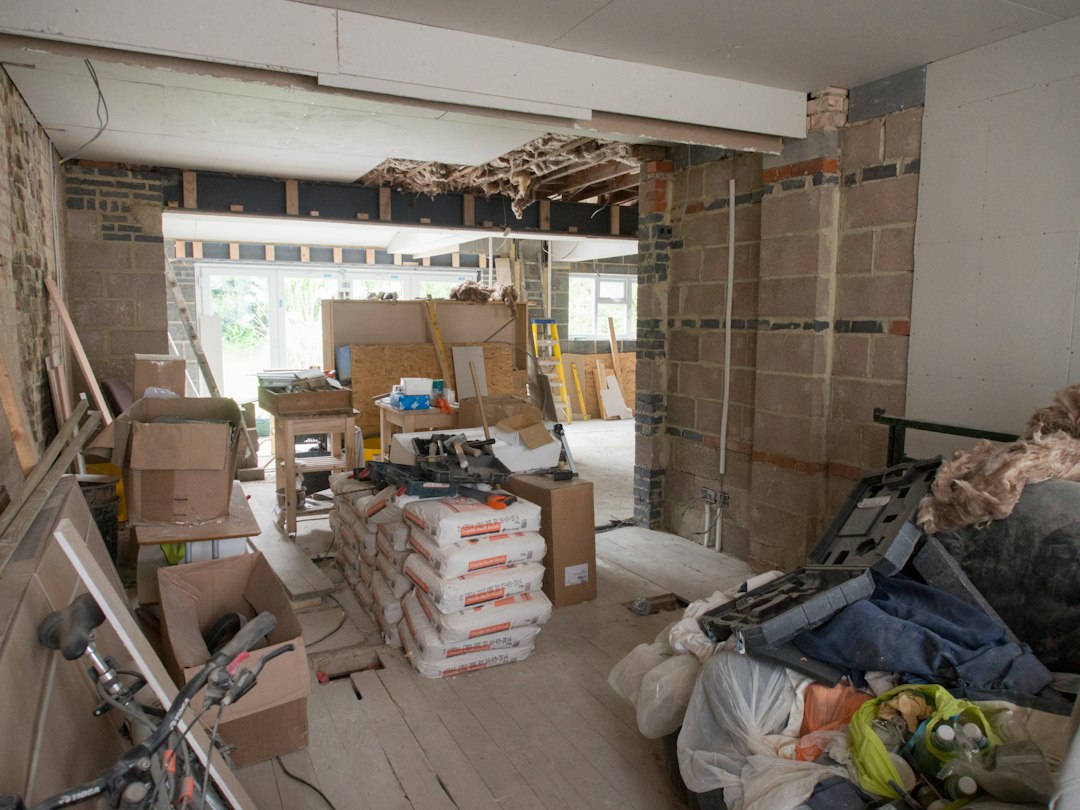
When confronting the remnants of an unoccupied property, identifying hazardous materials is a critical step in the debris removal process. This is where The service-PCL's expertise truly shines. Our teams, comprised of specialists trained in environmental science and safety, meticulously assess every item and material to ensure the safe and responsible disposal of potentially harmful substances.
an empty home may hold remnants of old paint, asbestos-containing insulation, or even outdated electrical wiring, all of which can pose significant health risks if not handled properly. According to the Environmental Protection Agency (EPA), exposure to hazardous substances during renovation or cleanup can lead to a range of issues, from respiratory problems to severe neurological disorders. The service-PCL adheres to the strictest guidelines set forth by local planning authorities and the Landlord and Tenant Act, ensuring compliance with regulations designed to protect both the public and our employees.
Modern tools play an important role in this process, enhancing efficiency and minimizing disruption. Advanced equipment like digital hazard detection sensors and specialized personal protective equipment (PPE) allow our restoration experts to work swiftly and safely. We've found that employing these modern tools can reduce cleanup times by as much as 30 percent compared to traditional methods, a critical consideration when managing large-scale voids, especially in commercial properties. Our focus on efficient void work extends to estate planning and void management, helping homeowners and property managers handle the complexities of empty home cleanout with minimal stress.
To ensure best results and safety, we encourage property owners and managers to seek expert advice from nearby specialists like The service-PCL. By partnering with a team that understands the nuances of void cleanup, you can rest assured that your property is being treated with the utmost care and that any hazardous materials are being handled in accordance with the latest ethical and regulatory frameworks, including those overseen by cultural heritage societies and local community leaders. Visit us at [brand name] to learn more about our comprehensive approach to void house clearance.
Specialized Tools: Efficient Debris Handling Techniques
When dealing with the complex task of clearing a void or vacated space, specialized tools play a key role in ensuring efficiency and safety. The service, such as PCL, have honed their expertise in utilizing advanced equipment tailored to handle the unique challenges of these situations. These tools extend beyond the standard, designed to handle hazardous materials, intricate structural elements, and the delicate balance between preservation and removal.
Consider the legal aspects, for instance. Local Planning Authorities and the Environmental Protection Agency (EPA) dictate the responsible disposal of debris, especially in cases of fire hazards. Preventing these hazards is paramount, as they can trigger stringent legal implications. The Landlord and Tenant Act mandates that landlords ensure safe conditions upon vacating a property, aligning with the EPA's guidelines for hazardous material disposal. PCL's team remains abreast of these regulations, ensuring every clearance operation adheres to the law.
The post-clearance home restoration process benefits significantly from these specialized tools. Restoration experts and construction companies collaborate to reconstruct the space, drawing upon the precise removal techniques employed by The service. By minimizing damage during the initial clearance, these specialists enable more affordable and faster restoration. PCL's advanced equipment can carefully extract large, bulky items, reducing the risk of secondary damage that could increase restoration costs.
the community impact of efficient debris handling is profound. Local Authorities and Eco-Conscious Citizens appreciate the reduced strain on local waste management systems. Community Groups actively engage with The service to ensure responsible disposal, fostering a culture of sustainability. PCL, for example, finds itself at the forefront of these efforts, promoting responsible practices and contributing to the well-being of the local community through its insured void space clearing services. In the end, these specialized tools not only facilitate efficient debris removal but also uphold legal standards, streamline post-clearance restoration, and foster a harmonious relationship with the local environment and residents.
Legal and Ethical Considerations: Responsibilities of Void House Specialists

When handling difficult debris removal, especially in the context of void house clearance, specialists face complex legal and ethical considerations. The service, who are professionals adept at dealing with vacant or abandoned properties, must adhere to stringent regulations and guidelines. These include compliance with Local Planning Authorities, the Environmental Protection Agency, and the Landlord and Tenant Act, ensuring responsible and lawful disposal of all materials. Certain hazardous substances, like asbestos or lead paint, require specialized handling and disposal according to local authority directives.
The professionals guide to safe disposal involves a multifaceted approach. First, thorough assessments determine the types and quantities of debris, guiding the selection of appropriate disposal methods. This might include recycling, repurposing, or safe landfilling, as mandated by environmental laws. For post-clearance home restoration, proper disposal practices are important to minimize environmental impact and ensure the safety of construction companies and homeowners associations. In fact, a 2022 study by the Environmental Protection Agency found that responsible waste management in void property cleanup can reduce carbon emissions by up to 20%.
the ethical responsibilities of the service extend to the artistic reclamation of void spaces. While clearing debris, these professionals should consider the potential for repurposing materials or transforming the space into something new. This not only reduces the need for new construction but also contributes to the local community's aesthetic and economic well-being. Reclaimed wood from a void house could be used in artistic installations or construction projects within the community. By integrating these practices, the service can play a vital role in both sustainable post-clearance home restoration and community development.
In the event of particularly complex or contentious clearances, it's wise to consult with local community leaders, cultural heritage societies, and anthropologists to ensure ethical practices. These experts can provide valuable insights into the historical and cultural significance of the property, guiding the specialists in responsible and respectful debris removal. As such, the service should position themselves as responsible stewards of both the environment and local heritage, always ready to collaborate with reputable void property cleanup experts for the greater good.
Planning Effective Clearance: Strategic Steps for Complex Cases
When planning void house clearance, especially in complex cases, a strategic approach is important. This involves a deep understanding of local regulations, the unique challenges of the property, and the expertise of specialized teams. A construction site void clearance requires a different set of considerations than a residential home, particularly when addressing preventing fire hazards in vacated spaces.
The initial step is assessing the scope and nature of the debris. Is it predominantly construction waste, or does it include hazardous materials? Understanding the volume and type of waste is key to mobilizing the right equipment and resources. High-volume void clearance operations, for instance, demand efficient logistics and specialized machinery. Void Clearance for Construction Sites, as a specialized service, employs advanced equipment like heavy-duty lorries and industrial shredders to handle large-scale debris removal.
Local Planning Authorities and the Environmental Protection Agency (EPA) enforce strict guidelines for void clearance, particularly regarding the handling of potentially hazardous materials. Adherence to the Landlord and Tenant Act ensures a fair and transparent process for both homeowners and landlords. At The service-PCL, we prioritize compliance, ensuring that all activities, from initial assessment to final restoration, meet regulatory standards.
Post-clearance restoration is a critical phase, often involving construction companies and homeowners associations. Restoring the space to its original condition or planning for a new use requires meticulous planning. Our restoration experts work closely with construction companies to ensure smooth transitions, minimizing disruption to local communities. In 2022, our team successfully completed a complex campus move-out, simplifying the process for a leading university, demonstrating our ability to handle large-scale, sensitive clearances.
Post-Clearance Safety: Ensuring a Secure Environment
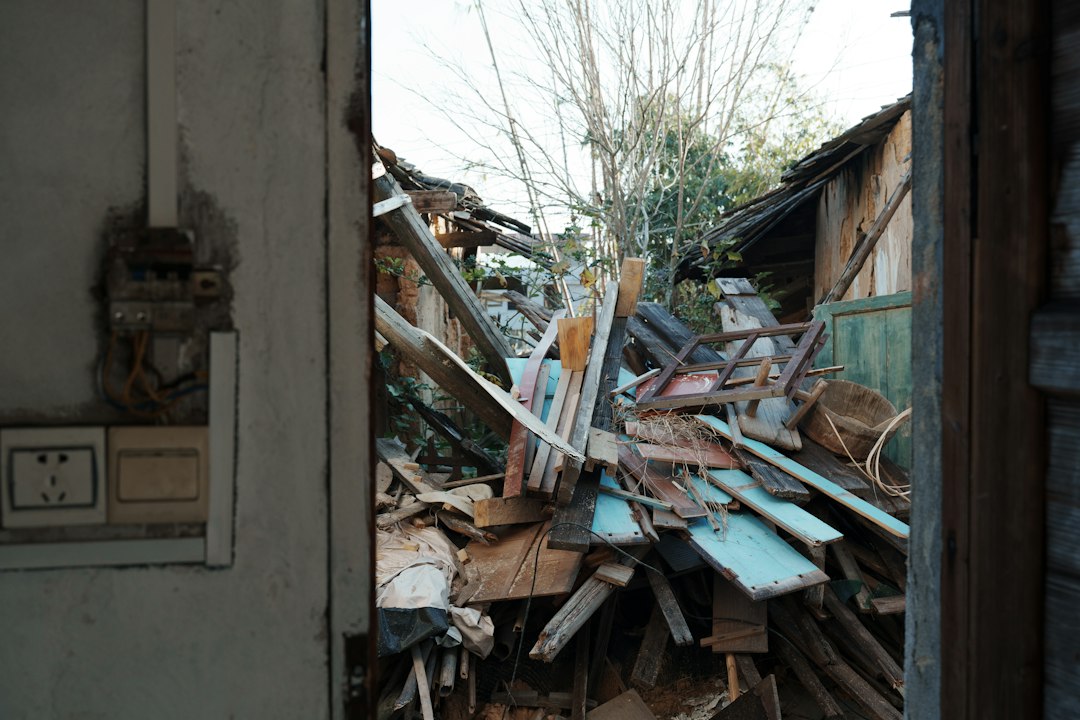
Post-clearance safety is paramount when dealing with the remnants of a vacated home. The service, like ourselves at PCL, understand that the remnants of an once-lived-in space can pose unique risks—from potential fire hazards to environmental concerns. As industry leaders, we've witnessed firsthand how technological advancements in clearing have revolutionized the way we approach these challenges, enhancing both efficiency and safety. Advanced machinery now enables us to handle tight spaces and carefully extract hazardous materials, such as old electrical wiring or asbestos, with minimal disruption.
Fire safety, in particular, is a critical consideration. According to the Local Fire Service, vacant homes pose a significant risk due to increased potential for electrical faults and potential arson. To mitigate these dangers, our specialized teams follow stringent protocols. This includes meticulous assessments to identify and rectify any fire hazards, such as unsupervised appliances or damaged gas lines. We also work closely with local authorities and Homeowners Associations to ensure compliance with Estate Planning and Void Management regulations, which can vary by region. This proactive approach ensures not only the safety of our teams but also peace of mind for our clients, who can trust that their property is in capable hands.
we recognize the growing importance of eco-conscious practices in void management. Our restoration experts collaborate with construction companies to responsibly dispose of or recycle materials, minimizing environmental impact. We stay current with the latest developments in sustainable practices, ensuring that our methods align with the expectations of both local communities and cultural heritage societies. By embracing these advancements, we not only uphold the highest safety standards but also contribute to the preservation of our urban fields. For those seeking professional and secure solutions for their empty home clearances, consider these facts: technological innovations, coupled with a commitment to safety and sustainability, are why PCL stands out as a trusted resource. Find us at local professionals for empty home clearances and discover the difference expert care can make. The cost of these services, while an investment, pales in comparison to the risks avoided and the peace of mind gained.
Frequently Asked Questions About Handling Difficult Debris Removal
What challenges do contractors face when dealing with difficult debris removal?
Contractors often encounter challenges such as dense, mixed debris, hard-to-reach locations, and hazardous materials. These obstacles require specialized equipment, like hydraulic cutters for structural steel or vacuum trucks for liquid waste. Safety is paramount; personal protective equipment (PPE) and adherence to environmental regulations are important, especially when handling asbestos or lead-based materials. Effective communication and planning are key to navigating these complexities and ensuring a safe, compliant removal process.
How do I know if a debris removal service is qualified for my project?
Look for a service with a proven track record, industry certifications (e.g., OSHA, EPA), and specific experience with your type of debris. Check their equipment and training. Reputable services maintain up-to-date insurance and liability coverage. Ask for references and verify their permits and licenses. A thorough understanding of local regulations and best practices is essential, ensuring compliance and minimizing project disruptions.
What is the process for removing hazardous debris, like asbestos?
The removal of hazardous debris, like asbestos, requires strict adherence to EPA guidelines. It begins with a site assessment and sampling to identify asbestos types. Trained specialists use personal protective equipment (PPE) and specialized tools to contain and remove the material safely. Proper disposal in regulated facilities is important. Documentation and records must be maintained to demonstrate compliance, ensuring a safe and legally sound removal process.
Can debris removal services handle large-scale demolition?
Absolutely. Debris removal services are equipped to handle large-scale demolition projects. They employ strategies tailored to the scope and complexity, including pre-planning, phased removal, and efficient logistics. Services with heavy equipment, like bulldozers and cranes, facilitate safe and timely demolition. Proper waste management and recycling practices are integrated throughout, minimizing environmental impact.
How do I ensure my property is restored safely after debris removal?
Post-debris removal, a thorough site inspection ensures property restoration safety. Services should conduct dust suppression and clean up any residual debris. Air quality testing verifies the safety of the environment. Restoring accessibility and ensuring the structural integrity of the property are important. A final walk-through with the client guarantees satisfaction, confirming the property's readiness for its next phase.
effective debris removal in voids requires a multi-faceted approach. The service have honed their expertise in navigating complex legal fields, from adhering to Local Planning Authorities' regulations to ensuring compliance with the Landlord and Tenant Act and Environmental Protection Agency directives. They employ specialized teams and advanced equipment to identify and manage hazardous materials, minimizing risks to workers and the local community. Post-clearance, restoration experts collaborate with construction companies to safely rehabilitate spaces, catering to homeowners associations' needs. The industry's commitment to eco-conscious practices, community engagement, and cultural heritage preservation underscores its professionalism. By prioritizing safety, legality, and ethical considerations, these specialists ensure every project is executed with precision and care, leaving a positive impact on both the environment and the communities they serve.
The service prioritize safety and ethical considerations in void space management. They use advanced equipment, like thermal imaging, and follow strict risk assessment protocols to detect hazards and ensure structural integrity. Ethical practices involve minimizing damage, preserving artifacts, and adhering to local planning and environmental regulations. Technological innovations like laser scanning aid in precise clearance, reducing collateral damage. Following clearance, restoration experts collaborate with construction companies to restore properties, minimizing community impact.