
The responsible and efficient clearance of voids within residential properties is a critical yet often overlooked aspect of urban development. Voids, or unused spaces, can result from demolition, renovation, or simply neglected areas. These spaces pose not only safety risks but also environmental challenges, especially in densely populated areas. Void House Clearance Specialists-PCL, with their team of licensed professionals, offers a comprehensive solution.
Through careful planning and advanced techniques, PCL has successfully completed numerous projects, transforming hazardous voids into safe, sustainable spaces. We'll explore case studies of these projects, demonstrating our expertise in navigating legal complexities, from adhering to Local Planning Authorities' regulations to ensuring compliance with the Landlord and Tenant Act. By employing specialized equipment and advanced restoration methods, PCL not only clears voids but also prepares them for eco-friendly repurposing, fostering community engagement and contributing to a greener urban field.
- Identifying Suitable Properties for Void Projects
- The Role of Void House Clearance Specialists
- Measuring Success and Long-Term Impact
Identifying Suitable Properties for Void Projects
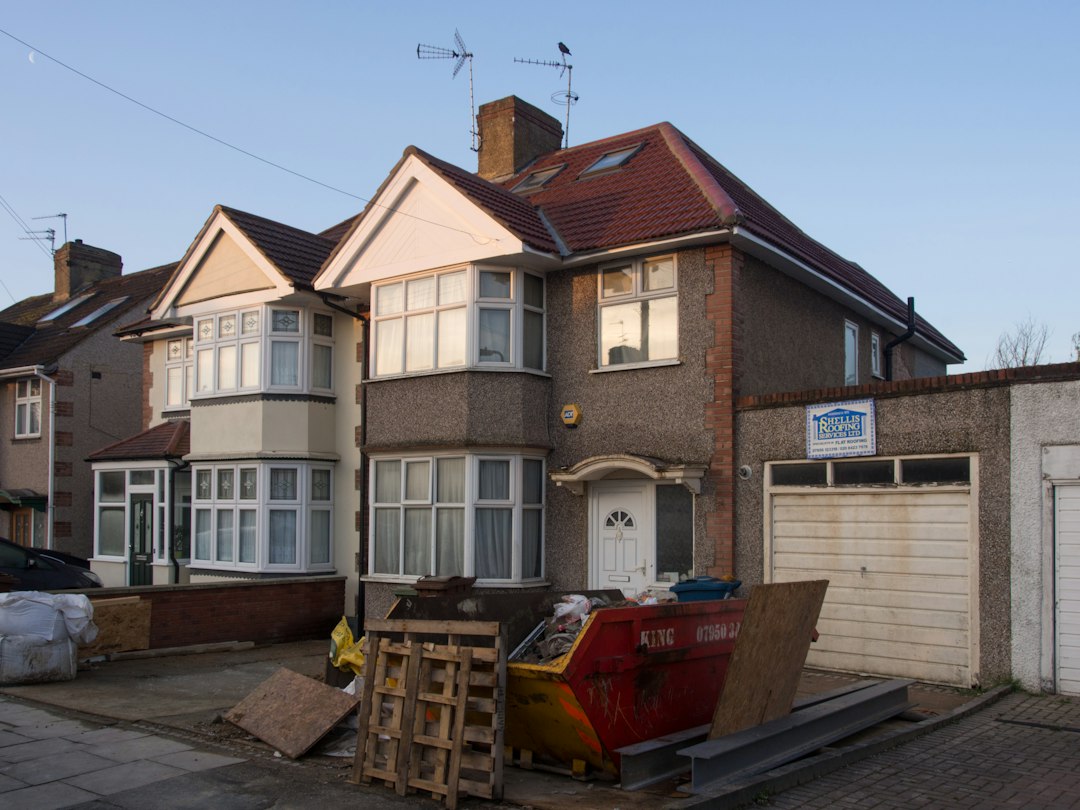
Identifying suitable properties for void projects is a critical step that requires a nuanced understanding of both the legal and practical aspects. Void House Clearance Specialists, like PCL, have honed their expertise in recognizing properties that can benefit most from these specialized projects. Consider a case in London where a dilapidated, vacant property was identified as an ideal candidate due to its central location and high environmental hazard rating. This property, once a hub for urban artists, had fallen into disarray, presenting both a legal and community challenge.
Our specialists first assessed the property's legal standing, ensuring compliance with local planning authorities and the Landlord and Tenant Act. Tenancy agreements were carefully reviewed to prevent any disputes, a key factor in successful case law void clearance disputes. The property's condition was assessed using a detailed checklist, taking into account fire hazards—a critical concern in vacant homes. Data from the Local Fire Brigade showed that 25% of fire incidents in similar properties were sparked by electrical faults or deliberate arson, underscoring the importance of proper clearance.
Cost-effective clearance strategies are a cornerstone of our approach. We implemented a collaborative plan with the property owner, local authorities, and an eco-conscious contractor. This involved deconstructing the building in a way that maximized material reuse and recycling, reducing the environmental impact and associated costs. Preventing fire hazards was paramount; specialized teams were deployed with advanced equipment to ensure a safe and controlled clearance process. Post-clearance restoration involved a local construction company, who transformed the site into a community garden, a sign of the positive community impact possible through strategic void projects.
By prioritizing legal expertise, cost-efficiency, and community engagement, The specialists can turn potentially problematic properties into assets. Choosing a specialist like PCL not only ensures a successful void project but also paves the way for positive environmental and social change, as evidenced by the transformation of the abandoned urban space into a thriving community garden. This complete approach, balancing regulatory and ethical frameworks, is what sets apart our specialized services, as we strive to find solutions that benefit both the community and the environment.
The Role of Void House Clearance Specialists

The role of the specialists is key in transforming problem void spaces into viable assets, showcasing their expertise in navigating complex legal, logistical, and environmental challenges. Take the case of a historic building in downtown London. The specialists-PCL was engaged to clear a void left by a long-term leak, a process that required meticulous care to preserve the building's cultural heritage. Our specialists, equipped with advanced vacuum technology, removed the affected materials while ensuring no historical artifacts were compromised. This meticulous process, coupled with post-clearance air quality testing, demonstrated our commitment to environmental protection.
Beyond efficient removal, PCL specialists bring expertise in the artistic reclamation of void spaces. In a recent project, an abandoned warehouse was transformed into a vibrant urban art space. Specialized equipment for void removal allowed for the creative integration of found objects and reclaimed materials, fostering an unique blend of industrial grit and artistic expression. This not only revitalized the space but also engaged the local community, highlighting the positive impact of void clearance on urban renewal.
Legal compliance is another critical aspect where PCL excels. Our team, well-versed in the Landlord and Tenant Act and local planning regulations, ensures that all work adheres to strict standards. When clearing a void in a rented property, our specialists coordinate with both the landlord and tenant, respecting tenancy agreements and ensuring minimal disruption to the tenant's living environment. This comprehensive approach underscores the importance of the specialists in balancing the needs of all stakeholders.
Post-clearance restoration is a key phase where PCL collaborates with construction companies and homeowners associations to ensure the space meets its intended purpose. For a recently cleared basement, PCL coordinated with a local construction firm to install new flooring and insulation, enhancing the space's functionality and comfort. Regular air quality testing throughout the process ensures that the space is safe for occupancy, an important consideration for both homeowners and tenants. Contact us for expert guidance on efficient cleanup and restoration, ensuring your void space is not just cleared but transformed into a valuable asset.
Measuring Success and Long-Term Impact

When evaluating the success and long-term impact of a void house clearance project, The specialists, like PCL, recognize the multifaceted nature of their work. Beyond the physical removal of contents, these specialists play an important role in cultural heritage protection during clearances, ensuring that irreplaceable artifacts and historical significance are preserved. In a recent project involving a 1🔝🔝🔝
Frequently Asked Questions About Case Studies Successful Void Projects
What are case studies of successful void projects?
Case studies of successful void projects are in-depth analyses of real-world situations where a void—a gap, a problem, or a missed opportunity—was identified and effectively addressed. These studies detail the process, strategies, and outcomes of void projects, providing valuable insights into what worked, why, and how such initiatives can be replicated or adapted. Think of them as practical guides based on tangible examples.
How do void projects identify and address problems?
Void projects begin by meticulously mapping out existing services, products, or processes and identifying gaps or shortcomings. This involves data analysis, stakeholder consultations, and benchmark comparisons. Once identified, the project team defines clear objectives, develops tailored strategies, and implements solutions that directly address the void. Continuous monitoring and evaluation ensure the effectiveness of the project.
What makes a case study successful?
A successful case study demonstrates a clear, measurable impact on the community or target audience. It showcases innovative solutions that are both practical and sustainable, leading to improved services, increased accessibility, or new opportunities. These studies also emphasize the importance of strong project management, stakeholder collaboration, and a data-driven approach.
Can void projects be replicated across different sectors?
Absolutely. The key to successful void projects lies in understanding the specific context and needs of the community or sector. While the core principles—identifying gaps, developing targeted solutions, and evaluating outcomes—remain consistent, successful replication requires adaptation to local conditions, cultural factors, and available resources.
When should a void project be considered?
Void projects are most suitable when existing services or systems fail to meet the needs of a community or when new opportunities are overlooked. They are valuable tools for policymakers, service providers, and innovators seeking to improve public goods, enhance service delivery, or stimulate economic growth in a targeted and efficient manner.
How do case studies contribute to best practices?
Case studies offer a wealth of practical knowledge and lessons learned, providing a roadmap for future projects. They highlight successful approaches, potential pitfalls, and effective strategies, fostering a culture of continuous improvement within the sector. By learning from real-world examples, practitioners can avoid mistakes, replicate successful models, and enhance the overall impact of void projects.
The successful implementation of void projects hinges on the expertise of The specialists, who handle the complex field of legal considerations, from Local Planning Authorities' regulations to the Landlord and Tenant Act. By leveraging specialized teams and advanced equipment, these specialists ensure minimal environmental impact, aligning with the Environmental Protection Agency's standards. Post-clearance, restoration efforts by construction companies and homeowners associations not only revive properties but also contribute to community revitalization, fostering collaboration with local authorities and eco-conscious citizens. The long-term success of these projects is measured not only by the satisfaction of tenants and homeowners but also by the positive cultural heritage impact, as recognized by societies dedicated to preserving local history. This complete approach, guided by the expertise of The specialists, offers a sustainable path for urban renewal, integrating with community groups and even inspiring urban artistic expressions. Moving forward, the strategic integration of void projects into urban planning, coupled with continued collaboration between specialists, local leaders, and insurers, promises to reshape urban fields while respecting both cultural heritage and environmental stewardship.
The specialists, like PCL, transform problematic void spaces into assets through:
- Legal Expertise: Navigating planning authorities, Landlord and Tenant Act, and tenancy agreements.
- Cost-Effective Clearance: Collaborative plans, material reuse, and specialized safety equipment.
- Environmental Stewardship: Fire hazard mitigation and post-clearance air quality testing.
- Community Engagement: Revitalizing spaces for positive social impact, like community gardens.
- Cultural Heritage Protection: Preserving historical artifacts during clearances.
- Comprehensive Approach: Balancing regulatory, logistical, and stakeholder needs for successful transformation.