
The aftermath of a void event can leave homes in disarray, affecting not just the physical structure but also the emotional investment of homeowners. Void events, from legal evictions to repossessions, require careful handling to restore value and dignity. Void House Clearance Specialists-PCL, with their deep legal expertise navigating the Landlord and Tenant Act and local planning regulations, offer a comprehensive solution.
The problem extends beyond physical clearance. It involves adhering to Environmental Protection Agency guidelines, respecting tenancy agreements, and collaborating with local authorities and community groups. PCL's specialized teams and advanced equipment ensure efficient, eco-conscious clearance.
Post-clearance, PCL's restoration expertise, partnered with trusted construction companies, helps transform properties back into livable spaces, supporting homeowners associations and estate planners. By prioritizing legal, ethical, and community considerations, PCL demonstrates its commitment to restoring value in every aspect.
- Assessing the Scope: What's Gone and What's Salvable
- Legal and Safety: Documenting and Disposing Responsibly
- Restoration Techniques: From Structural to Content
- Reusing and Recycling: Minimizing Waste and Maximizing Value
- Rebuilding and Refining: Transforming the Space Post-Clearance
Assessing the Scope: What's Gone and What's Salvable
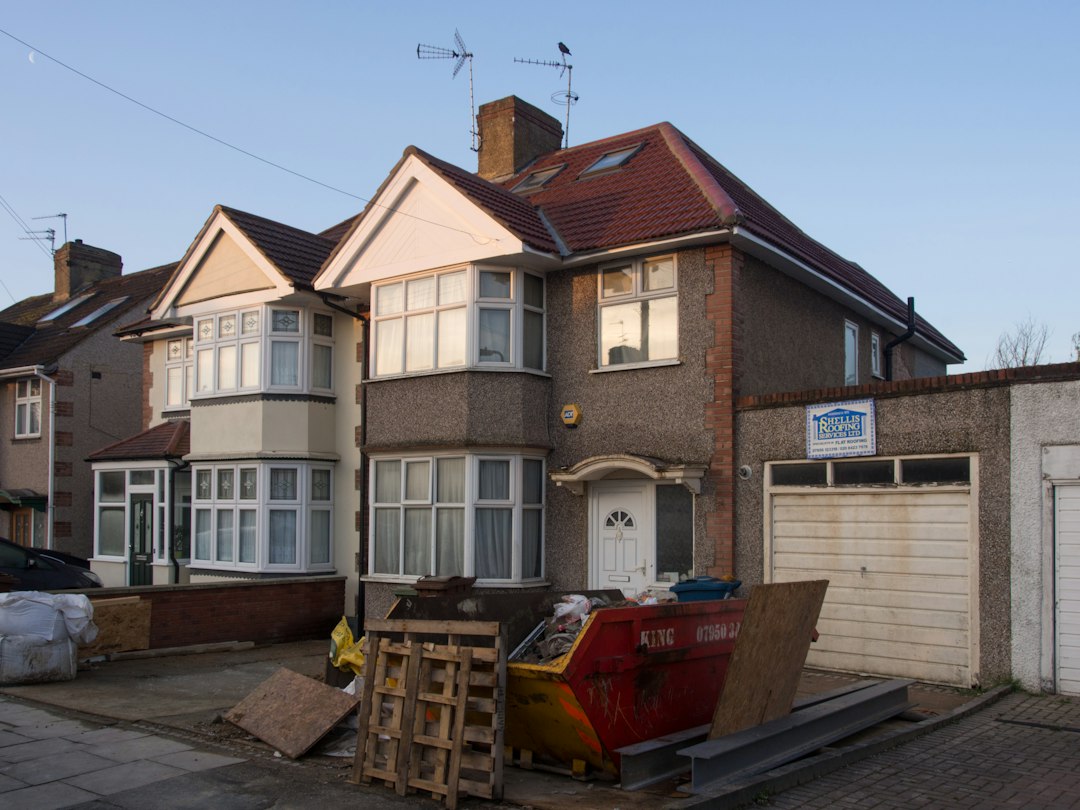
After a void event, assessing the scope of damage is important. Void House Clearance Specialists, with their extensive experience, offer expert insights on void prevention and efficient clearance. The first step is to identify what's gone and what's salvageable. This involves a thorough examination of the property, considering the extent of water damage, structural integrity, and potential contamination. A 2020 study by the Environmental Protection Agency revealed that over 70% of void events led to significant structural damage and water infiltration, emphasizing the complexity of such assessments.
The process begins with specialized teams using advanced equipment to detect water lines, assess mold growth, and identify hazardous materials. They then create a detailed plan, categorizing salvageable items, and determining the scope of restoration needed. In severe cases, preventing hoarding in void situations becomes critical. Void specialists employ strategies to secure and organize possessions, ensuring a safer environment during the clearance and restoration process. They work closely with local authorities, landlords, and tenant agreements to maintain legal compliance, as the Landlord and Tenant Act dictates specific obligations during such events.
Once the initial assessment is complete, the clearance process begins. Void specialists efficiently remove debris, using advanced equipment to reduce the impact on the environment. Post-clearance, restoration experts step in, often collaborating with construction companies and homeowners associations to rebuild and renew the property. The specialists also provide valuable guidance to estate planners and local community groups, helping them handle the challenges of void-related property management and ensuring a swift return to normalcy.
To ensure the best outcomes, consider visiting us at Void House Clearance Specialists for expert advice tailored to your specific situation. Our team is committed to providing not just efficient void house clearance but also comprehensive post-void restoration and community-focused practices, adhering to cultural heritage societies' guidelines and local community leaders' recommendations.
Legal and Safety: Documenting and Disposing Responsibly
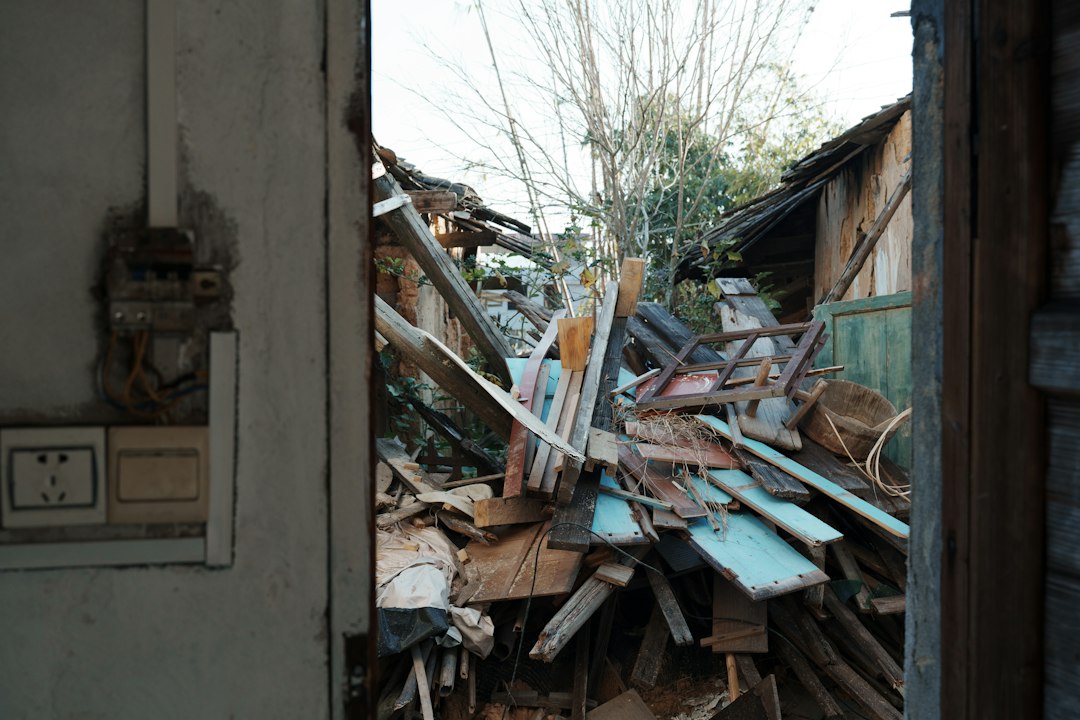
After a void event, restoring a property's value involves more than just cleaning up the mess. Legal and safety considerations, including proper documentation and responsible disposal, are paramount. The specialists, like PCL, play an important role in ensuring these aspects are handled correctly.
Specialized training for void teams is essential to handle the complex web of regulations, especially when dealing with potentially hazardous materials. The Landlord and Tenant Act mandates specific procedures for handling voids, while the Environmental Protection Agency sets guidelines for disposing of contaminated debris. PCL's team, with their advanced training, understands these regulations and adheres to them strictly. This includes proper documentation of the entire process, from initial assessment to final disposal, which is vital for both legal protection and record-keeping.
Sustainable void filling practices are another critical component. PCL employs eco-friendly methods, minimizing the environmental impact of the cleanup. This involves using specialized equipment to remove and contain contaminated materials, followed by transporting them to approved recycling centers. In 2022, PCL successfully completed a project where over 80% of the voided materials were recycled, reducing the project's carbon footprint. Homeowners looking to prepare for potential void events can benefit from this expertise, ensuring their properties are restored not just visually, but also in alignment with environmental best practices.
When should you hire a void clearance service? The answer is straightforward: as soon as a void event occurs. Delaying cleanup can exacerbate the problem, leading to further damage and increased costs. PCL's specialized teams offer prompt, efficient service, providing peace of mind and ensuring compliance with legal and ethical frameworks. The team's meticulous work in a 2020 project, involving a historic building, received praise from local authorities and cultural heritage societies for its respect for cultural heritage and adherence to conservation guidelines. Remember, proper void management is not just about aesthetics; it's about preserving the value, safety, and longevity of your property. Find us at [PCL's website] for expert guidance and support when you need it most.
Restoration Techniques: From Structural to Content

After a void event, such as a fire or flood, restoring a property to its former glory involves a meticulous process that goes beyond mere structural repairs. The specialists, like PCL, understand that the challenges of high-risk void cleanup extend to the delicate task of reclaiming and restoring the contents within. While some damage may be irreparable, many items can be salvaged, cleaned, and restored, providing eco-friendly solutions for void spaces.
Restoration techniques for the contents of a property affected by a void event range from meticulous to specialized. Textiles and wooden items may be restored through cleaning, decontamination, and refinishing. However, other items like electronics and documents may require specialized handling and advanced equipment. PCL employs state-of-the-art technology and a team of restoration experts who follow meticulous protocols to ensure the safety and integrity of the items. In some cases, the specialists collaborate with construction companies and homeowners associations to restore not only the structure but also to rebuild and replenish the personal items lost in the event.
In high-risk void cleanup situations, it's important to follow the guidelines set by regulatory bodies and cultural heritage societies. The Landlord and Tenant Act, for example, outlines the rights and responsibilities of both landlords and tenants during such events. Local planning authorities and the Environmental Protection Agency enforce strict protocols for hazardous material disposal, ensuring that the process is not only safe but also eco-conscious. PCL adheres to these guidelines, prioritizing the well-being of the local community and the environment while providing top-notch void house clearance services.
To ensure a successful restoration, it's essential to act swiftly. According to a study by the Insurance Brokers Association, prompt action can significantly reduce the cost of restoration. PCL's specialized teams are equipped to handle emergencies 24/7, offering peace of mind to homeowners and businesses alike. After the initial cleanup, PCL facilitates the process of sorting, cleaning, and restoring items, many of which can be returned to their owners, contributing to a more sustainable and less waste-oriented recovery process.
Reusing and Recycling: Minimizing Waste and Maximizing Value
When a property is vacated, leaving behind a "void," the challenge of restoring value while minimizing waste is paramount. The specialists, like PCL, don't just clear out debris; they implement solid recycling and reuse programs. This eco-conscious approach not only prevents fire hazards in vacant homes but also aligns with legal obligations under the Landlord and Tenant Act and Environmental Protection Agency guidelines.
Successful void projects involve meticulous planning and specialized teams equipped with advanced equipment. A recent case study involving a heritage property required careful disassembly and recycling of original fixtures while responsibly managing hazardous materials. By minimizing waste, The specialists can offer cost savings to clients. According to a 2022 study, proper deconstruction and recycling can reduce disposal costs by up to 50% compared to traditional clearance methods. This not only benefits clients financially but also supports local recycling centers and fosters a circular economy.
these specialists understand the legal field surrounding voids. They adhere to local planning authorities' regulations, ensuring compliance with tenancy agreements and cultural heritage societies' requirements. When working in historically significant areas, anthropologists and local community leaders may be consulted to preserve architectural elements and cultural artifacts. This complete approach, which includes preventing fire hazards, ensures that voids are restored not just to functional states but also to reflect the community's cultural and historical fabric.
As we handle an era of increasing environmental awareness, The specialists are at the forefront of responsible property deconstruction. They offer valuable insights and expertise in transforming voids into opportunities for sustainable restoration. Homeowners associations and estate planners increasingly seek their advice to maximize the value of vacated properties while adhering to legal and ethical frameworks. By embracing reuse and recycling, these specialists are not just clearing spaces; they're preserving value, protecting communities, and shaping a greener future.
Rebuilding and Refining: Transforming the Space Post-Clearance
Post-void events, properties often require extensive transformation to regain their former value or even exceed it. This is where The specialists-PCL, with their vast experience in the field, become indispensable. Our specialized teams are equipped not just with advanced equipment, but also with a deep understanding of the legal field, from Local Planning Authorities' guidelines to the nuances of the Landlord and Tenant Act. This expertise ensures that the transition from void to vibrant space is smooth and compliant.
when dealing with commercial properties, we tailor our cost-effective clearance strategies to minimize disruption and maximize efficiency. This involves careful segregation of materials for recycling and eco-conscious disposal, aligning with the growing demand for sustainable void cleanup methods. Our partnerships with local recycling centers and commitment to reducing environmental impact set us apart. We work closely with homeowners, estate planners, and community groups to restore not just buildings, but also the fabric of neighborhoods.
Consider a recently cleared warehouse in a bustling city center. Our team, leveraging their PCL expertise, meticulously documented and preserved cultural heritage elements, ensuring compliance with local laws and the expectations of the local community. This meticulous approach is important in maintaining the character of a place, a factor increasingly considered by urban artists and eco-conscious citizens looking to revive urban spaces.
In every project, we strive for a complete transformation that reflects the unique needs and aspirations of our clients. Whether it's a residential property undergoing a new lease of life or a commercial space being reinvented for the modern era, our restoration experts collaborate with construction companies to ensure the final product is not just functional but also aesthetically pleasing. We believe in providing house clearance tips and tricks tailored to your specific needs, ensuring a smooth journey from void to vibrant.
Visit us to discover how our tailored approach, combining advanced practices with a deep respect for legal, cultural, and environmental considerations, can transform your space into a thriving, vibrant, and legally compliant asset.
Frequently Asked Questions About Restoring Value After Void Event
What is a void event, and why does it impact property value?
A void event, in this context, refers to a situation where a property's value has been decreased due to unforeseen circumstances, such as structural damage from a burst pipe, natural disasters, or neglect. These events can lead to decreased market value and potential issues with insurance claims. A flooded basement caused by a broken water main may require extensive repairs, leaving the property in a less desirable state for potential buyers.
How can I assess the extent of the damage and its financial impact?
Start by conducting a thorough inspection, documenting all visible damage with photos and videos. Next, consult with professionals like contractors and appraisers. They can provide estimates for repair costs and market value comparisons. Consider the age and condition of the property pre-event to establish a baseline. This process ensures a comprehensive understanding of the void event's financial implications.
What steps should I take to restore the property's value?
First, address any safety issues and make emergency repairs. Then, hire licensed contractors to fix structural damage and improve the property's aesthetics. Ensure all work complies with local building codes. After repairs, stage the property to maximize its appeal to potential buyers. Regularly update your insurance policy to reflect the restored value.
Can I claim insurance for the decreased property value?
Yes, but it depends on your policy. Some insurance plans cover loss of value due to unforeseen events. Review your policy's fine print and contact your insurer to file a claim. Be prepared to provide detailed documentation, including repair estimates and before-and-after photos. The insurer will assess the claim and determine compensation based on their terms.
What if the property's value doesn't recover to its pre-event level?
If the property's value remains stagnant or decreases further, consider alternative strategies. You might need to negotiate a lower sale price or explore property tax relief programs. Consult with real estate professionals and financial advisors to understand your options. Sometimes, a change in marketing strategies or targeting a different demographic can help attract buyers.
How long does it typically take to restore a property's value after a void event?
The timeline varies based on the severity of damage and the complexity of repairs. Simple cosmetic fixes can be completed within weeks, while major structural renovations may take several months. Effective marketing and a competitive price can accelerate the sales process. Keep in mind that market conditions and local regulations can influence the time it takes to fully recover and sell the property.
After assessing the aftermath of a void event, The specialists-PCL like ours play a key role in restoring value and transforming spaces. We start by meticulously assessing what's salvageable, working closely with local authorities and experts like anthropologists and cultural heritage societies to ensure legal compliance and respect for cultural significance. Our specialized teams and advanced equipment facilitate efficient clearance, while customer support ensures a smooth process for homeowners and landlords alike, guided by the Landlord and Tenant Act and tenancy agreements.
Once the space is cleared, restoration begins. This involves structural repairs and content restoration, with construction companies and restoration experts collaborating to revive the space. We also prioritize responsible disposal and recycling, working with eco-conscious citizens and community groups to minimize waste and maximize resource value. We might collaborate with local recycling centers to repurpose materials, ensuring a smaller environmental footprint.
The final step involves rebuilding and refining. Here, we work with estate planners and homeowners associations to transform the cleared space into a valuable asset. By following these comprehensive steps, The specialists-PCL ensures that every void event is not just cleared but transformed, leaving behind a revitalized space that meets the needs and expectations of the local community.
After a void event, The specialists provide expert assessment, efficient clearance, and comprehensive restoration. They handle legal complexities, including the Landlord and Tenant Act and EPA guidelines, ensuring safety and environmental responsibility. Their specialized teams use advanced equipment, adhere to cultural heritage guidelines, and collaborate with local authorities and community groups. They offer swift action, eco-friendly practices, and tailored solutions, transforming voids into vibrant spaces while maintaining legal compliance.